
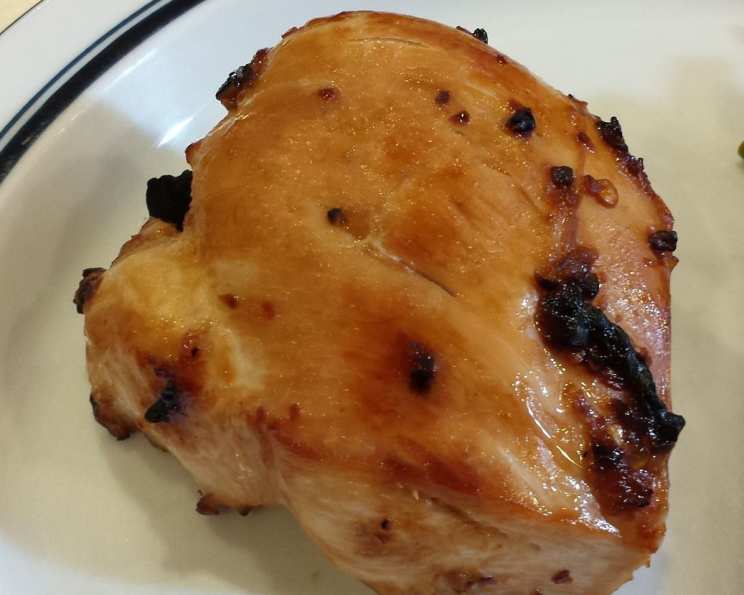
Yakitori Chicken: A Taste of Tokyo’s Street Food Scene
There’s a particular magic in the smoky, sweet, and savory aroma that wafts from a yakitori grill. For me, it conjures up memories of bustling Tokyo alleyways, the glow of paper lanterns, and the convivial atmosphere of tiny izakayas. I remember my first time in Shinjuku’s Omoide Yokocho, or “Memory Lane,” a narrow, atmospheric street packed with tiny yakitori stalls. The air was thick with the scent of grilling meat and the cheerful chatter of diners. Each skewer, perfectly glazed and charred, was a tiny masterpiece, a bite-sized explosion of flavor that transported me. It’s this authentic, unpretentious charm that makes yakitori so special, a dish that’s as much about the experience as it is about the incredible taste.
Recipe Overview
- Prep Time: 15 minutes
- Cook Time: 15-18 minutes
- Total Time: 30-33 minutes
- Servings: 8
- Yield: Approximately 8-10 skewers
- Dietary Type: Gluten-Free adaptable (ensure soy sauce is gluten-free)
Ingredients
The beauty of yakitori lies in its simplicity, allowing the quality of the ingredients to shine. For this classic chicken thigh version, we’ll focus on tender chicken and the vibrant green of scallions, brought together by a deeply flavorful tare sauce.
- 2 pounds boneless, skinless chicken thighs
- 8 scallions
For the Tare Sauce:
- 1 cup sake
- 1/2 cup mirin
- 2 garlic cloves, pressed
- 1 teaspoon fresh ginger, minced
- 1/2 teaspoon crushed red pepper flakes (adjust to your spice preference)
- 3 tablespoons sugar
- 2 tablespoons dark soy sauce
- 1/2 cup soy sauce (use a good quality, low-sodium if preferred)
Optional Garnish:
- 1 dash of ground sansho pepper
- 1 dash of Japanese 7 spice powder (Shichimi Togarashi)
Equipment Needed
- Grill (charcoal, gas, or grill pan)
- Small saucepan
- Skewers (bamboo or metal)
- Tongs
- Small bowl for basting
- Cutting board
- Sharp knife
Instructions
The preparation for yakitori is straightforward, allowing you to get to the most exciting part: the grilling and glazing.
-
Prepare the Chicken and Scallions: Begin by cutting the boneless, skinless chicken thighs into uniform, 3/4-inch cubes. This ensures even cooking. Next, cut the scallions crosswise into 3/4-inch pieces, separating the white and green parts if you prefer a more even visual appeal, though it’s not strictly necessary for flavor.
-
Make the Tare Sauce: In a small saucepan, combine all the ingredients for the tare sauce: the sake, mirin, pressed garlic cloves, minced fresh ginger, crushed red pepper flakes, sugar, dark soy sauce, and soy sauce. Place the saucepan over medium heat and bring to a simmer. Continue to simmer gently for 5 to 10 minutes, or until the sauce has reduced by about one quarter. This reduction concentrates the flavors and thickens the sauce slightly, creating that perfect glaze. Once reduced, remove from heat and set aside. You can keep it warm in the saucepan or transfer it to a small bowl for easier basting.
-
Assemble the Skewers: If you are using bamboo skewers, it’s a good practice to soak them in water for at least 30 minutes prior to use to prevent them from burning on the grill. Once prepared, thread the chicken and scallion pieces onto the skewers, alternating them to create visually appealing and evenly cooked skewers. Aim for a good density of ingredients on each skewer, but don’t overcrowd them, as this can lead to uneven cooking.
-
Preheat the Grill: Heat your grill to a medium-high heat. If using a charcoal grill, you want a nice bed of hot coals. For a gas grill or grill pan, preheat it until it’s hot enough to sizzle when a drop of water hits it.
-
Grill the Skewers: Place the assembled yakitori skewers on the preheated grill. Grill for 2 minutes on the first side.
-
Baste and Turn: After 2 minutes, brush the skewers generously with the prepared tare sauce using a pastry brush or the back of a spoon. Turn the skewers over and brush the other side with more tare sauce.
-
Continue Grilling and Glazing: Grill for an additional 5 to 8 minutes, brushing with sauce every 2 minutes. This frequent basting is key to developing that signature glossy, caramelized glaze. Continue this process, turning and basting, until the chicken is cooked through and beautifully glazed. You’ll know the chicken is cooked when it’s no longer pink inside and the juices run clear. The exact time will depend on the heat of your grill and the size of your chicken cubes, so keep a close eye on them.
-
Final Touches (Optional): If you have managed to find sansho pepper and Japanese 7 spice powder, now is the time to add a dash of each to the finished skewers just before serving. These spices add a unique aromatic and slightly peppery kick that is characteristic of authentic yakitori.
Expert Tips & Tricks
- Chicken Thighs are Key: While chicken breast can be used, chicken thighs are highly recommended for yakitori. Their higher fat content makes them more forgiving on the grill, ensuring they remain juicy and tender, and develop a beautiful char.
- Don’t Fear the Char: A little bit of charring on the edges of the chicken and scallions is desirable. It adds a depth of smoky flavor and visual appeal.
- Sauce Management: Keep your basting sauce separate from the sauce you might have used for raw chicken to avoid cross-contamination. If you need more sauce, you can always make a second, smaller batch.
- Grill Pan Alternative: If you don’t have access to an outdoor grill, a cast-iron grill pan on the stovetop works wonderfully. Ensure it’s well-oiled and preheated for good searing.
Serving & Storage Suggestions
Yakitori is best enjoyed immediately off the grill, hot and fresh. Serve them as a delightful appetizer, a light main course, or as part of a larger izakaya-style meal. They pair wonderfully with a crisp Japanese beer, sake, or even a simple bowl of steamed rice.
If you have any leftovers, allow them to cool completely before storing. Store them in an airtight container in the refrigerator for up to 2 days. To reheat, you can gently warm them in a skillet over low heat, in a toaster oven, or even briefly on the grill to recapture some of that smoky essence. Avoid microwaving, as it can make the chicken rubbery.
Nutritional Information
| Nutrient | Amount per Serving (approx.) | % Daily Value |
|---|---|---|
| Calories | 219.7 kcal | |
| Calories from Fat | ||
| Total Fat | 4.5 g | 6 % |
| Saturated Fat | 1.1 g | 5 % |
| Cholesterol | 94.4 mg | 31 % |
| Sodium | 1448.7 mg | 60 % |
| Total Carbohydrate | 9.8 g | 3 % |
| Dietary Fiber | 0.6 g | 2 % |
| Sugars | 5.7 g | 22 % |
| Protein | 25.3 g | 50 % |
(Note: Nutritional information is an estimate and can vary based on specific ingredients and portion sizes.)
Variations & Substitutions
While the classic chicken thigh and scallion combination is unbeatable, yakitori offers a playground for culinary creativity.
- Vegetable Skewers: Bell peppers, mushrooms (shiitake, enoki), zucchini, and cherry tomatoes all grill beautifully and absorb the tare sauce wonderfully.
- Other Meats: While chicken is traditional, thinly sliced pork belly or small pieces of beef can also be threaded onto skewers and grilled. Adjust cooking times accordingly.
- Gluten-Free: For a gluten-free version, ensure you use a gluten-free soy sauce or tamari in your tare sauce.
FAQs (Frequently Asked Questions)
Q: Can I make the tare sauce ahead of time?
A: Yes, the tare sauce can be made a day or two in advance and stored in an airtight container in the refrigerator. Gently reheat it before using for basting.
Q: What kind of grill is best for yakitori?
A: A charcoal grill imparts the most authentic smoky flavor, but a gas grill or a well-preheated grill pan will also yield delicious results.
Q: How do I know when the chicken is cooked through?
A: The chicken should no longer be pink in the center, and the juices should run clear when pierced with a skewer or fork. Internal temperature should reach 165°F (74°C).
Q: Can I use chicken breast instead of thighs?
A: You can, but chicken thighs are more forgiving and tend to stay juicier. If using breast, be careful not to overcook it, as it can dry out quickly.
Q: Where can I find sansho pepper and Japanese 7 spice?
A: These specialty ingredients can often be found in Asian grocery stores, international food aisles of larger supermarkets, or online.
Final Thoughts
There’s a profound satisfaction in the simple act of grilling these skewers, from the sizzle on the grill to the final lick of glossy sauce. Yakitori is more than just food; it’s an invitation to gather, to share, and to savor the moment. Whether you’re recreating the vibrant atmosphere of a Tokyo alleyway in your backyard or simply seeking a flavorful and fun weeknight meal, this recipe is sure to delight. So, fire up the grill, gather your ingredients, and embark on a delicious journey to the heart of Japanese street food. Don’t forget to share your creations and your own yakitori memories with us!