
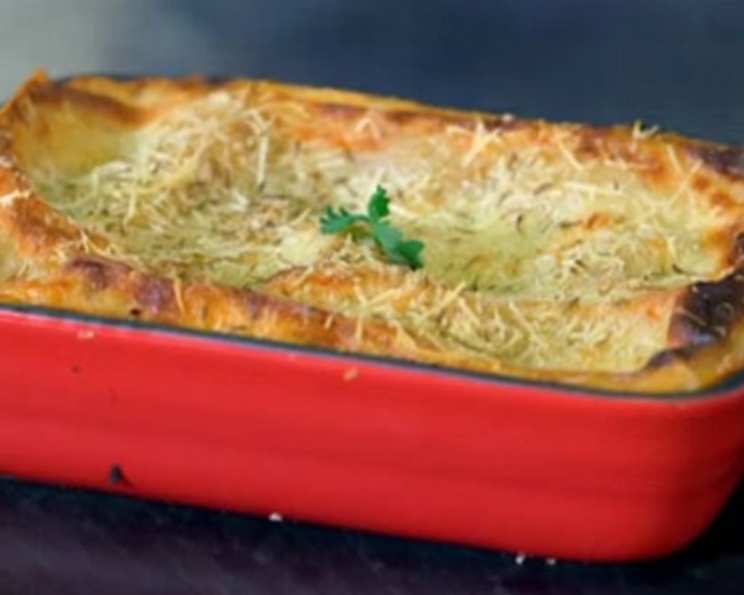
Yara’s Game Lasagne: A Rustic Italian Masterpiece
There are some dishes that, when you first encounter them, transport you back in time, conjuring vivid memories of bustling kitchens and shared laughter. For me, Yara’s Game Lasagne is one of those culinary treasures. I recall a crisp autumn evening, the air alive with the scent of woodsmoke, when I first tasted this dish. It was a revelation – a symphony of deep, earthy flavours and comforting textures, each layer telling a story of the land and the seasons. This wasn’t just food; it was an experience, a testament to the power of simple, honest ingredients transformed with skill and passion into something truly extraordinary. It’s a dish that embodies the rustic elegance of Italian cooking, making it a perfect centrepiece for any special gathering.
Recipe Overview
- Prep Time: 2 hours (includes marinating time)
- Cook Time: 2 hours 30 minutes
- Total Time: 4 hours 30 minutes (includes marinating and resting)
- Servings: 8
- Yield: 1 large lasagne
- Dietary Type: Not specified (contains meat, dairy, eggs, gluten)
Ingredients
For the Ragu
- 600g mixed game, cleaned, trimmed of all fat and sinew, and finely diced (e.g., venison, hare, pigeon, wild duck)
- 6 tablespoons extra virgin olive oil
- 2 garlic cloves, crushed
- 1 sprig fresh thyme
- 2 tablespoons balsamic vinegar
- 1 onion, finely chopped
- 2 carrots, finely chopped
- 1 celery rib, finely chopped
- 150g field mushrooms, finely sliced (optional)
- 2 red dried bird’s eye chilies, broken in half (or to taste)
- 125ml red wine
- 2 (400g) cans peeled plum tomatoes
- 2 vegetable bouillon cubes
- 1 teaspoon sugar
For the Bechamel
- 70g butter
- 70g white flour
- 700ml milk
- Salt
- ¼ teaspoon nutmeg, grated
For the Pasta
- 420g flour
- 1 pinch salt
- 4 eggs
- 1 tablespoon water
- Semolina flour, for dusting
- 2 tablespoons vegetable oil
To Assemble
- 100g semi-stagionato pecorino cheese or 100g crumbly Swaledale cheese, grated
- Salt
- Fresh ground black pepper
Equipment Needed
- Large non-metallic bowl
- Frying pan
- Saucepans (various sizes)
- Baking dish or individual ramekins
- Large mixing bowl
- Cling film
- Pastry cutter or ramekin for stamping pasta
- Work surface
- Rolling pin
- Whisk
- Measuring spoons and cups
- Oven
Instructions
This lasagne is a labour of love, best tackled with a little foresight. The process begins with marinating the game, a crucial step for developing depth of flavour and tenderizing the meat.
1. Marinate the Game:
In a non-metallic bowl, combine the finely diced mixed game with 1 tablespoon of extra virgin olive oil, a crushed garlic clove, the sprig of fresh thyme, and the balsamic vinegar. Mix everything thoroughly. Cover the bowl and refrigerate overnight to allow the flavours to meld beautifully.
2. Prepare the Soffritto Base:
In a frying pan, heat 4 tablespoons of extra virgin olive oil over a low heat. Add the finely chopped onion, carrots, celery, field mushrooms (if using), red chilies, and the remaining crushed garlic clove. Cover the pan and cook for 15-20 minutes, stirring occasionally, until all the vegetables have softened. You want them to be tender and sweet, not browned. Once the vegetables begin to stick to the bottom of the pan, remove them from the heat and set aside.
3. Par-cook the Game:
Remove and discard the garlic and thyme from the marinated game. In another pan, heat the remaining extra virgin olive oil over a high heat. Add the marinated game and cook, covered, for 30-60 seconds. The game will likely release water at this stage. As soon as this happens, drain away the water and juices. This step is key to reducing the “gamey” edge of the meat. You may need to repeat this process a few times until the meat appears very dry. Season the meat to taste and continue stirring.
4. Build the Ragu:
Once the game starts to stick to the bottom of the pan, add the cooked vegetables and red wine. Stir everything together again. Now, add the peeled plum tomatoes and crumble in the vegetable bouillon cubes. Lower the heat, stir well until the bouillon cubes have completely dissolved. Cover the pan and let the ragu simmer for 2 hours, stirring occasionally. The final consistency of the sauce should be neither too stiff nor too runny. If it’s too thick, add a little water; if it’s too thin, continue to cook uncovered for a slightly longer period until the desired consistency is reached.
5. Make the Pasta Dough:
While the ragu simmers, it’s time to prepare the fresh pasta. Sift the flour and salt into a large mixing bowl. Create a well in the centre and add the eggs. Using your fingertips, gradually mix the eggs into the flour until all the flour has been incorporated, forming a shaggy dough. If the mixture is too hard, add a little water; if it’s too soft, add a little semolina flour. On a work surface lightly dusted with semolina flour (if needed), knead the dough for a few minutes until it is smooth and elastic. Shape the dough into a ball, wrap it tightly in cling film, and refrigerate for 20 minutes to rest.
6. Prepare the Bechamel Sauce:
In a saucepan, melt the butter over a low heat. Remove the pan from the heat and stir in the white flour a little at a time, creating a thick paste (a roux). Gradually whisk in the milk, incorporating each addition fully before adding the next to ensure a smooth sauce. Add a pinch of salt and the grated nutmeg. Place the saucepan over a medium heat and bring the sauce to a boil, stirring constantly to prevent lumps. Once boiling, lower the heat and stir for 5 minutes to thicken. Set the béchamel aside to cool, stirring occasionally.
7. Roll and Cut the Pasta:
Preheat your oven to 180°C (160°C fan/Gas Mark 4). Lightly dust your work surface with semolina flour. Take the rested pasta dough and roll it out into a sheet approximately 1mm thick. Using a pastry cutter or the rim of a ramekin, stamp out 24 circles of pasta. Aim for a size that will fit snugly into your chosen baking dish or individual ramekins.
8. Assemble the Lasagne:
This is where all your hard work comes together. If using individual ramekins, spoon a layer of the game ragu, about 1cm deep, into the bottom of each. Place a pasta disc over the sauce in each ramekin. Spoon another layer of game ragu on top, followed by a layer of béchamel sauce. Repeat these layers – pasta, game sauce, béchamel – at least two more times, ensuring you finish with a generous topping of béchamel sauce. If you are assembling in a larger baking dish, follow the same layering principle.
9. Bake the Lasagne:
Sprinkle the grated pecorino cheese (or Swaledale cheese) evenly over the top of the lasagne. Place the lasagne in the preheated oven for 20 minutes, or until the cheese has turned a beautiful golden brown and is bubbling enticingly.
10. Rest and Serve:
Once baked, remove the lasagne from the oven and let it rest for a few minutes before serving. This allows the layers to settle, making it easier to serve and enhancing the texture.
Expert Tips & Tricks
- Game Selection: Don’t be afraid to experiment with different types of game. A mix of richer game like venison with a slightly gamier bird like pigeon can create a wonderfully complex flavour profile. Ensure all sinew and excess fat is meticulously removed for the best texture.
- Ragu Consistency: The key to a perfect ragu is its texture. It should be rich and thick enough to coat the back of a spoon, but not so dry that it becomes crumbly. Adjust the cooking time or add a splash of water as needed towards the end of simmering.
- Pasta Perfection: For a truly authentic taste and texture, making your own pasta is highly recommended. The addition of water should be minimal; you’re looking for a firm dough that holds its shape. If you’re short on time, good quality dried lasagne sheets can be used, but they won’t have the same delicate flavour and texture as fresh.
- Make-Ahead Marvel: The ragu can be made a day or two in advance and refrigerated. This allows the flavours to deepen even further. The béchamel sauce can also be made ahead and gently reheated. You can even assemble the lasagne a few hours before baking, keeping it covered in the refrigerator.
Serving & Storage Suggestions
Serve Yara’s Game Lasagne piping hot, allowing its rich aroma to fill the room. It’s a hearty dish that stands beautifully on its own, but a simple green salad with a light vinaigrette makes a refreshing accompaniment. Crusty bread is also a welcome addition for mopping up any leftover sauce.
Leftovers can be stored in an airtight container in the refrigerator for up to 2-3 days. To reheat, gently warm individual portions in the oven or microwave until thoroughly heated through. If reheating a larger dish, cover it loosely with foil to prevent the top from drying out. This lasagne freezes exceptionally well; cool completely, wrap tightly, and freeze for up to 2 months. Thaw overnight in the refrigerator before reheating.
Nutritional Information
| Nutrient | Amount per Serving | % Daily Value |
|---|---|---|
| Calories | 594.8 kcal | – |
| Calories from Fat | 273 kcal | – |
| Total Fat | 30.4 g | 46% |
| Saturated Fat | 11.3 g | 56% |
| Cholesterol | 136.7 mg | 45% |
| Sodium | 332.4 mg | 13% |
| Total Carbohydrate | 60.1 g | 20% |
| Dietary Fiber | 3.7 g | 14% |
| Sugars | 5.7 g | 22% |
| Protein | 17.6 g | 35% |
Nutritional information is an estimate and may vary based on specific ingredients and portion sizes.
Variations & Substitutions
- Vegetarian Game Lasagne: For a vegetarian twist, omit the game and increase the quantity of mushrooms, perhaps adding other robust vegetables like eggplant or zucchini. Consider using a rich mushroom or vegetable stock for the ragu base.
- Spicy Kick: If you enjoy more heat, increase the number of dried chilies or add a pinch of red pepper flakes to the ragu.
- Cheese Variations: While pecorino and Swaledale are excellent choices, feel free to experiment with other hard, crumbly cheeses like mature cheddar or a robust Gruyère.
- Gluten-Free Pasta: For a gluten-free version, use gluten-free lasagne sheets. Ensure you follow the packet instructions for pre-cooking if required.
FAQs
Q: Can I use different types of game for this lasagne?
A: Absolutely! The beauty of this recipe is its versatility. Venison, rabbit, duck, or even pheasant would all work wonderfully, offering unique flavour profiles.
Q: How do I prevent my fresh pasta from becoming sticky?
A: Using semolina flour for dusting your work surface and the pasta itself is crucial. Also, ensure you knead the dough sufficiently until it’s firm and elastic.
Q: My ragu seems a bit too dry. What should I do?
A: Don’t worry! You can easily adjust the consistency by stirring in a little water, vegetable stock, or even a splash of red wine while it simmers until it reaches your desired thickness.
Q: Is it possible to make the game ragu ahead of time?
A: Yes, the ragu is excellent when made a day or two in advance, as the flavours have more time to meld and deepen. Simply reheat it gently before assembling the lasagne.
Q: How can I make this dish a little lighter?
A: While this is a rich dish, you could try reducing the amount of butter in the béchamel slightly or opting for a lower-fat milk. However, this will alter the classic texture.
Final Thoughts
Yara’s Game Lasagne is more than just a recipe; it’s an invitation to slow down, savour the process, and create something truly memorable. The deep, nuanced flavours of the game, lovingly simmered with aromatic vegetables, and layered with delicate fresh pasta and creamy béchamel, culminate in a dish that is both comforting and exquisitely sophisticated. I encourage you to gather your ingredients, embrace the culinary journey, and share this magnificent creation with those you hold dear. It’s a dish that speaks of tradition, flavour, and the sheer joy of good food. Enjoy every mouthwatering bite!