
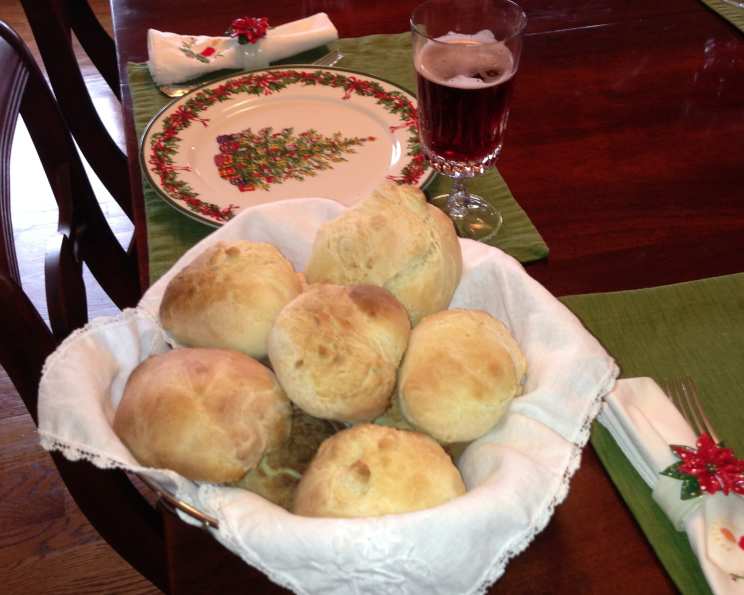
The Comfort of Home: Perfectly Pillowy Yeast Rolls
There are certain aromas that, once inhaled, instantly transport you back to your happiest childhood moments. For me, the scent of yeasty, baking bread is one of them. My grandmother, a woman who seemed to possess a touch of magic in her fingertips, always had a batch of warm rolls waiting for us after school. They were golden on the outside, impossibly soft within, and always disappeared far too quickly. While Gram never measured a thing, relying on instinct and a lifetime of practice, this recipe is my heartfelt attempt to capture that same comforting essence – the taste of pure, unadulterated love baked into every bite. I often shape these into delicate crescents, but feel free to let your own creativity guide you.
Recipe Overview
- Prep Time: Approximately 30-45 minutes, plus rising time
- Cook Time: 10 minutes
- Total Time: Around 2 hours (including rising time)
- Servings: Variable, depending on size
- Yield: Approximately 16 rolls
- Dietary Type: Contains gluten, dairy, and eggs
Ingredients
Here’s what you’ll need to recreate these little clouds of deliciousness:
- 2 packets (¼ ounce each) active dry yeast
- ¼ cup warm water (around 105-115°F / 40-46°C)
- ½ cup sugar, divided
- 1 cup milk
- ¼ cup shortening
- 2 teaspoons salt
- 2 large eggs
- 5 cups all-purpose flour, plus more as needed
Equipment Needed
- Large mixing bowl
- Measuring cups and spoons
- Small saucepan
- Whisk
- Wooden spoon or stand mixer with dough hook
- Baking sheets or roll pans
- Cooking spray or butter/shortening for greasing
Instructions
Bringing these rolls to life is a process that engages all the senses, from the gentle bubbling of the yeast to the final, golden-brown perfection.
-
First, let’s get our yeast going. In a large mixing bowl, dissolve the yeast and 2 teaspoons of the sugar in the warm water. It’s crucial to use water that’s warm to the touch but not hot, as excessive heat can kill the yeast. Let this mixture sit for about 5-10 minutes, or until it becomes foamy and bubbly. This indicates that your yeast is alive and ready to work its magic. If you don’t see foam, your yeast might be expired, and it’s best to start with a fresh packet. Make sure your bowl is generously sized, as the dough will expand significantly.
-
While the yeast is awakening, let’s prepare the liquid base for our dough. In a small saucepan, gently heat the milk until it’s scalded. Scalding milk means heating it just until small bubbles form around the edges and a slight skin begins to appear on the surface; it does not need to boil. Remove the saucepan from the heat.
-
To the warm, scalded milk, add the remaining sugar, the shortening, and the salt. Stir this mixture until the sugar, shortening, and salt are completely dissolved. This step adds flavor and richness to our rolls.
-
Now, it’s time to bring it all together. Once the milk mixture has cooled slightly (it should be lukewarm, not hot, so it doesn’t cook the eggs or kill the yeast), pour it into the bowl with the foamy yeast mixture.
-
Begin to add the flour. Start by adding about 3 cups of the flour and stir with a wooden spoon or your stand mixer’s dough hook until the ingredients are just combined.
-
The dough will be quite sticky at this stage. Continue to add flour, about ½ cup at a time, mixing well after each addition. You’re aiming for a dough that begins to pull away from the sides of the bowl and appears somewhat shaggy, yet still a little sticky. The recipe suggests approximately 5 cups of flour, but the exact amount can vary depending on the humidity and the type of flour you use. The dough is ready when it can be turned out onto a lightly floured surface and kneaded.
-
Turn the dough out onto a lightly floured surface. Now, it’s time to knead. This is a crucial step for developing the gluten, which gives our rolls their structure and chewy texture. Knead the dough for about 5-10 minutes, or until it becomes smooth and elastic. If using a stand mixer, this process will take about 5-7 minutes on a medium-low speed. The dough should feel slightly tacky but not stick excessively to your hands.
-
Prepare a clean, large mixing bowl by lightly spraying it with cooking spray or greasing it with a little shortening or butter. Place the kneaded dough into the prepared bowl, turning it once so that the top surface is also lightly coated with the spray or grease. This prevents a dry crust from forming as the dough rises.
-
Cover the bowl loosely with plastic wrap or a clean kitchen towel. Place the bowl in a warm, draft-free spot. Allow the dough to rise until it has doubled in size. This usually takes about 1 to 1.5 hours, but can vary depending on the temperature of your kitchen.
-
Once the dough has doubled, gently punch it down to release the air. Turn the dough out onto a lightly floured surface and shape it into rolls of your desired size and shape. Whether you prefer classic rounds, elegant crescents, or fun knots, the choice is yours! The number of rolls will depend on how large you make them; typically, you’ll get around 16 rolls.
-
Lightly grease your baking sheets or roll pans. Arrange the shaped rolls on the prepared pans, leaving a little space between them to allow for their second rise and expansion during baking.
-
Cover the shaped rolls loosely again and let them rise for a second time until they are noticeably puffy, about 30-45 minutes.
-
While the rolls are undergoing their second rise, preheat your oven to 400°F (200°C).
-
Once the rolls have risen, they are ready for their final transformation. Bake them in the preheated oven for approximately 10 minutes, or until they are beautifully golden brown on top and sound hollow when tapped on the bottom.
Expert Tips & Tricks
- The Magic of Milk: Scalding the milk not only helps dissolve the sugar and shortening but also denatures the proteins, which can contribute to a softer crumb in your finished rolls.
- Flour Power: Remember that “cups” of flour can be inconsistent. The best way to measure flour is by weight using a kitchen scale. If you don’t have one, gently spoon the flour into your measuring cup and level it off with a straight edge, rather than scooping directly from the bag, which can compact the flour and lead to too much being added.
- Temperature is Key: Yeast is sensitive to temperature. Too cold, and it won’t activate; too hot, and it will die. Aim for that sweet spot of lukewarm water and milk.
- The Stand Mixer Advantage: If you have a stand mixer with a dough hook, it can be a real time-saver for kneading. It ensures consistent kneading and develops the gluten effectively. I personally find it helpful to finish the dough off in my mixer.
- The ‘Sheet’ Test: The instruction to add flour “until it falls off in sheets” is a classic sign of a well-developed dough. It means the gluten is strong enough to hold together in cohesive sheets rather than just clumping.
- Second Rise is Essential: Don’t skip the second rise! This is what gives your rolls that wonderfully light and airy texture.
Serving & Storage Suggestions
These warm, fresh yeast rolls are absolute perfection served alongside almost any meal – from a hearty stew to a simple roasted chicken. Brush them with a little melted butter right out of the oven for an extra touch of decadence.
Leftover rolls can be stored in an airtight container or bag at room temperature for 2-3 days. To refresh them, lightly mist with water and reheat in a 350°F (175°C) oven for about 5-7 minutes, or until warmed through. For longer storage, they freeze beautifully. Once completely cooled, wrap them tightly in plastic wrap and then in aluminum foil, or place them in a freezer-safe bag. They will keep in the freezer for up to 3 months. Thaw at room temperature and reheat as desired.
Nutritional Information
| Nutrient | Amount per Serving (approximate) | % Daily Value (approximate) |
|---|---|---|
| Calories | 216 kcal | 11% |
| Total Fat | 4.8 g | 6% |
| Saturated Fat | 1.4 g | 7% |
| Cholesterol | 25.4 mg | 8% |
| Sodium | 308.4 mg | 13% |
| Total Carbohydrate | 37.2 g | 13% |
| Dietary Fiber | 1.3 g | 5% |
| Total Sugars | 6.4 g | 13% |
| Protein | 5.7 g | 11% |
(Note: Nutritional values are estimates and can vary based on exact ingredients and portion sizes.)
Variations & Substitutions
While this recipe is classic, there’s always room for a little culinary adventure:
- Herbed Rolls: Incorporate finely chopped fresh herbs like rosemary, thyme, or chives into the dough during the last few minutes of kneading.
- Cheesy Goodness: Gently fold grated cheddar or Parmesan cheese into the dough before the second rise for savory cheese rolls.
- Sweet Cinnamon Swirl: For a touch of sweetness, roll the dough out thin, spread with softened butter and a cinnamon-sugar mixture, then roll up and slice into rolls.
- Whole Wheat Twist: Substitute up to half of the all-purpose flour with whole wheat flour for a heartier, nuttier roll. You might need to adjust the liquid slightly.
FAQs
Q: Why are my yeast rolls not rising?
A: This is usually due to inactive yeast, water that was too hot or too cold, or a drafty environment. Ensure your yeast is fresh and that your water is lukewarm.
Q: My dough is too sticky to knead. What should I do?
A: Add flour, a tablespoon at a time, until the dough is manageable. Avoid adding too much flour, as this can result in dry, tough rolls.
Q: How can I tell when the rolls are fully baked?
A: They should be golden brown on top and sound hollow when you tap the bottom of a roll. An instant-read thermometer inserted into the center should register around 190-200°F (88-93°C).
Q: Can I make the dough ahead of time?
A: Yes, after the first rise, you can punch down the dough, wrap it tightly, and refrigerate it for up to 2 days. Let it come to room temperature for about 30-60 minutes before shaping and proceeding with the second rise.
Q: What’s the best way to get perfectly shaped rolls?
A: For classic round rolls, divide the dough into equal portions, then gently tuck the edges underneath to create tension on the surface. For crescents, roll out the dough into a circle, cut into wedges, then roll up each wedge from the wide end to the point.
Final Thoughts
There’s a profound satisfaction in pulling a tray of warm, homemade yeast rolls from the oven. They are a testament to simple ingredients and a little bit of patience, transforming into something truly special. These rolls are more than just a side dish; they are an experience, a warm hug on a plate that speaks of comfort, tradition, and the joy of sharing good food. I encourage you to gather your ingredients, embrace the process, and bake a batch. I’d love to hear how they turn out and what memories they create for you and your loved ones. Perhaps they’ll become your go-to for family dinners, a comforting companion to your favorite soup, or simply a delightful treat to enjoy with a smear of butter and a moment of quiet appreciation.