
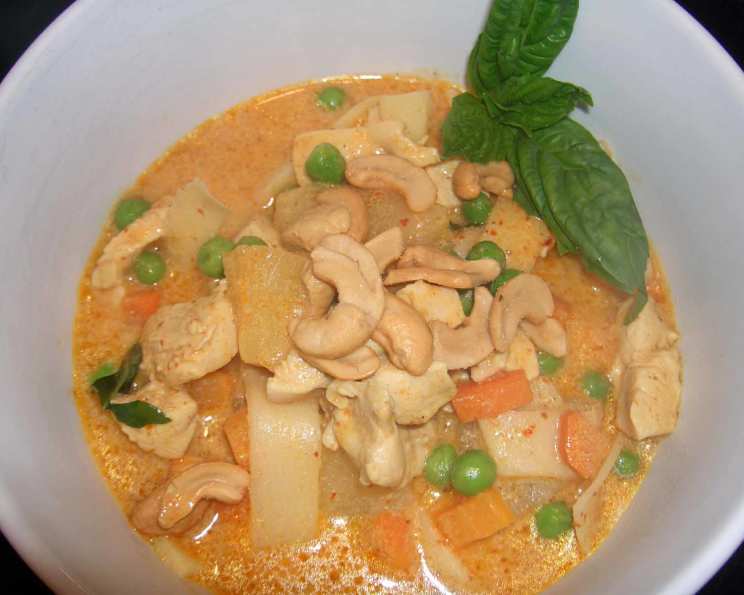
The Golden Embrace: Aromatic Yellow Chicken Curry
There’s a particular Thai restaurant in my town, a humble little spot with an unassuming facade, that crafts a yellow chicken curry so exquisite it’s become a benchmark in my own culinary explorations. I remember vividly the first time I tasted it; the fragrant steam rising from the bowl, carrying hints of turmeric, lemongrass, and a gentle warmth that spoke of slow simmering and expert spice blending. The secret, I discovered through hushed conversations and keen observation, lay not in complex homemade pastes, but in a high-quality, store-bought yellow curry paste sourced from a local Asian market. This revelation freed me to focus on the symphony of textures and flavors, leading to the recipe I share with you today – a version I adore for its vibrant simplicity and comforting depth, often enjoyed with pillowy naan to capture every last drop.
Recipe Overview
- Prep Time: 20 minutes
- Cook Time: 30 minutes
- Total Time: 50 minutes
- Servings: 4
- Yield: 4 servings
- Dietary Type: Contains Chicken, Dairy (Coconut Milk)
Ingredients
Here’s what you’ll need to bring this golden curry to life:
- 1 lb boneless, skinless chicken breast, cut into bite-sized pieces
- 2 (13.5 ounce) cans full-fat coconut milk
- 4 tablespoons yellow curry paste (adjust to your spice preference, starting with less and adding more to taste)
- ½ cup bamboo shoots, drained
- 1 cup frozen peas
- 1 cup pineapple chunks, drained (canned or fresh)
- ½ cup chopped carrot (optional, for added texture and sweetness)
- 1 cup water
- 5-8 fresh basil leaves
- Chopped cashews, for garnish
- 4-6 cups steamed jasmine rice, for serving
Equipment Needed
- A large stir-fry pan or Dutch oven
- Measuring cups and spoons
- A sharp knife and cutting board
Instructions
Crafting this vibrant yellow chicken curry is a straightforward, rewarding process. The key is building layers of flavor and ensuring each component is cooked to perfection.
-
Begin by heating one can of the coconut milk in your stir-fry pan or Dutch oven over medium heat. As it begins to warm, gradually whisk in the yellow curry paste. Start with about half the amount you anticipate using and continue to stir until it’s well combined and fragrant. This initial step allows the spices in the paste to bloom and release their aromatic oils. Taste the mixture cautiously – this is your opportunity to gauge the heat and spice level. Add more curry paste, a teaspoon at a time, until it reaches your desired flavor profile. If you prefer a milder curry, you may not need the full 4 tablespoons.
-
Once the curry paste is fully incorporated and fragrant, pour in the second can of coconut milk. Stir everything together and bring the mixture to a gentle boil over medium heat.
-
Carefully add the chicken breast pieces to the simmering curry. Continue to cook, stirring occasionally, until the chicken is about halfway done. You’ll notice it start to turn opaque.
-
If you are using carrots, now is the time to add them. Stir them into the curry along with the water. Reduce the heat slightly to maintain a steady simmer and cook until the carrots are tender but still have a slight bite. This usually takes about 8-10 minutes, depending on the size of your carrot pieces.
-
Finally, add the basil leaves, pineapple chunks, frozen peas, and bamboo shoots to the pan. Stir gently and continue to cook for another 2 minutes, just until the peas are heated through and the basil has wilted slightly, releasing its fresh aroma. Be careful not to overcook at this stage, as you want to retain the brightness of the vegetables and fruit.
-
Serve the yellow chicken curry hot over steamed jasmine rice. Garnish generously with chopped cashews for a delightful crunch and added richness.
Expert Tips & Tricks
To elevate your yellow chicken curry from good to exceptional, consider these professional insights:
- Quality Curry Paste is Paramount: As my local Thai restaurant taught me, the quality of your yellow curry paste makes a significant difference. Seek out brands known for their authentic flavor profiles at well-stocked Asian markets. Look for pastes with a vibrant color and a complex aroma.
- Coconut Milk Choice: Opt for full-fat coconut milk. The higher fat content contributes to a richer, creamier texture and a more luxurious mouthfeel. Light coconut milk can result in a thinner, less satisfying curry.
- The Art of Tasting and Adjusting: Don’t be afraid to taste and adjust the curry paste throughout the cooking process. Your palate is the ultimate guide. Remember, you can always add more heat, but you can’t easily take it away.
- Chicken Tenderness: Avoid overcooking the chicken. Adding it when the curry is already simmering and cooking it until just done ensures it remains tender and juicy.
- Pineapple Preference: The pineapple adds a delightful tropical sweetness and a touch of acidity that balances the richness of the coconut milk and the warmth of the spices. I personally enjoy a generous amount, but adjust according to your preference.
- Fresh Basil is Key: While dried basil can be used in a pinch, fresh basil leaves impart a much brighter, more authentic flavor. Add them towards the end of cooking to preserve their delicate aroma.
Serving & Storage Suggestions
This yellow chicken curry is best served piping hot, allowing the fragrant steam to entice your guests. The steamed jasmine rice is the perfect canvas, its subtle fragrance complementing the curry beautifully. For an extra touch, a sprinkle of fresh cilantro alongside the cashews can add a burst of herbaceous freshness.
Leftovers can be stored in an airtight container in the refrigerator for up to 3 days. The flavors often meld and deepen overnight, making it just as delicious, if not more so, the next day. To reheat, gently warm the curry on the stovetop over low heat, stirring occasionally, or microwave in short intervals until heated through. Add a splash of water or coconut milk if the curry has thickened too much during storage. It’s not recommended to freeze this curry, as the texture of the coconut milk can change upon thawing.
Nutritional Information
Here’s an estimated nutritional breakdown for a serving of this delicious Yellow Chicken Curry, based on the ingredients provided:
| Nutrient | Amount per Serving | % Daily Value |
|---|---|---|
| Calories | ~450-550 kcal | 22-27% |
| Total Fat | 25-35g | 32-45% |
| Saturated Fat | 20-28g | 100-140% |
| Cholesterol | 60-80mg | 20-27% |
| Sodium | 300-500mg | 13-22% |
| Total Carbohydrate | 25-35g | 9-13% |
| Dietary Fiber | 3-5g | 11-18% |
| Sugars | 10-15g | 20-30% |
| Protein | 30-40g | 60-80% |
Note: Nutritional values are estimates and can vary based on specific brands of ingredients used, exact portion sizes, and optional additions.
Variations & Substitutions
While this recipe is wonderfully satisfying as is, feel free to explore these variations:
- Vegetarian/Vegan Adaptation: For a meat-free version, substitute the chicken with firm tofu or your favorite plant-based protein. Ensure your curry paste is also vegan-friendly, as some may contain shrimp paste.
- Spice Level: If you love heat, consider adding a finely minced Thai chili or a dash of sriracha to the curry paste mixture. For those sensitive to spice, you can always reduce the amount of curry paste or opt for a milder variety if available.
- Vegetable Medley: Feel free to add other vegetables that complement the curry flavors, such as bell peppers, broccoli florets, snap peas, or even sweet potatoes (though the latter will increase cooking time).
- Creaminess Boost: For an even richer curry, use only full-fat coconut milk and omit the water, or use a portion of it.
FAQs
Q: How can I make this yellow chicken curry spicier?
A: To increase the heat, add more yellow curry paste gradually, tasting as you go. You can also incorporate a finely chopped fresh chili pepper, such as a Thai bird’s eye chili, or a dash of your favorite hot sauce towards the end of cooking.
Q: Can I use chicken thighs instead of chicken breast?
A: Absolutely! Chicken thighs are often more forgiving and can yield a juicier result. They may require a slightly longer cooking time to ensure they are fully cooked through.
Q: What is the best way to ensure the chicken isn’t tough?
A: The key is not to overcook the chicken. Add it to the simmering curry when the sauce is already hot and cook only until it’s opaque and cooked through. Using thigh meat is also a great way to ensure tenderness.
Q: Can I make this curry ahead of time?
A: Yes, this curry can be made a day in advance. The flavors often deepen and meld beautifully overnight. Reheat gently on the stovetop or in the microwave.
Q: Is it possible to add potatoes to this curry?
A: You certainly can! If you enjoy potatoes in your curry, add diced potatoes along with the carrots (if using) in step 4. Ensure they are cooked until tender before proceeding with the rest of the ingredients.
A Golden Invitation
This Yellow Chicken Curry is more than just a meal; it’s an invitation to savor vibrant flavors and comforting aromas. It’s a testament to how a few quality ingredients, expertly combined, can create something truly special. I encourage you to embrace the simplicity, adjust the spice to your heart’s content, and let this golden dish transport you to a place of culinary delight. Serve it with pride, share it with loved ones, and savor every fragrant, flavorful bite.