
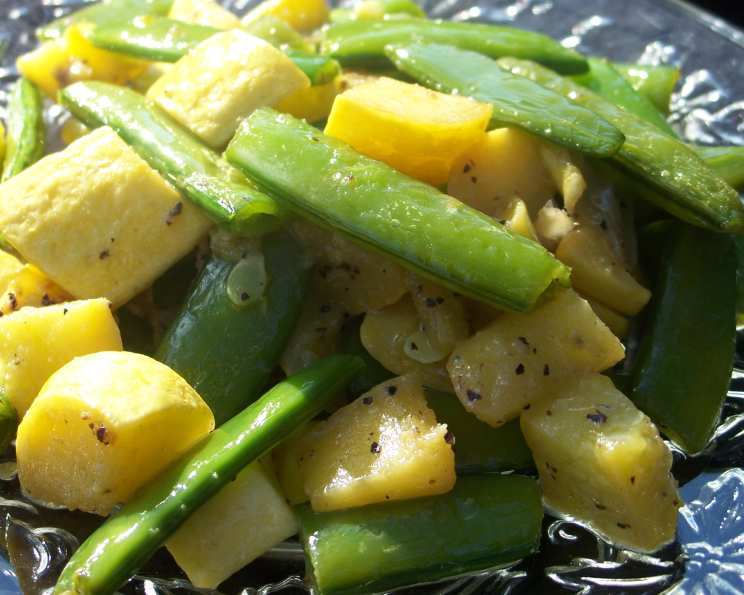
A Symphony of Summer Flavors: Yellow Squash and Snow Peas
The vibrant hues of summer vegetables have always held a special place in my culinary heart. I remember one particular afternoon, the sun beating down on my small herb garden, when I harvested my first truly abundant crop of yellow squash. They were plump, golden, and practically begged to be transformed into something simple yet spectacular. Paired with the crisp, verdant snap of fresh snow peas, this dish became an instant staple – a testament to how the freshest ingredients, treated with respect, can create pure magic on a plate. It’s the kind of side that doesn’t demand attention but quietly elevates any meal, whispering tales of sun-drenched gardens and breezy summer evenings.
Recipe Overview
- Prep Time: 15 minutes
- Cook Time: 7-10 minutes
- Total Time: 22-25 minutes
- Servings: 2
- Yield: Approx. 3 cups
- Dietary Type: Vegan, Gluten-Free, Dairy-Free
Ingredients
Here’s what you’ll need to capture the essence of this simple, delightful dish:
- 1 medium yellow squash
- 1/2 pound (about 8 ounces) fresh snow peas
- 1 tablespoon olive oil
- Salt, to taste
- Black pepper, freshly ground, to taste
Equipment Needed
For this straightforward preparation, you won’t need much:
- A sharp knife
- A cutting board
- A large wok or skillet
- A serving platter
Instructions
This recipe is designed for speed and simplicity, allowing the natural flavors of the vegetables to shine.
- Begin by preparing your yellow squash. Dice it into 1-inch chunks. Aim for uniform pieces so they cook evenly.
- Next, turn your attention to the snow peas. Clip the tough stem part off of each snow pea. You can do this quickly with your fingers or by using the tip of your knife.
- Place your wok or skillet over medium-high heat. Add the olive oil and allow it to heat up. You’re looking for the oil to be hot but not smoking. A gentle shimmer is your cue.
- Carefully stir in the diced yellow squash and the prepped snow peas into the hot oil.
- Toss and fry the vegetables frequently, ensuring they are constantly moving and coated in the oil. Continue to fry until they are tender. This should take approximately 7 to 10 minutes, depending on the heat of your pan and the size of your vegetable pieces. You want them tender-crisp, with a slight bite.
- Once tender and vibrant, serve the yellow squash and snow peas immediately.
- Season with salt and pepper to taste just before serving.
Expert Tips & Tricks
Even the simplest dishes benefit from a few chef’s touches. When working with delicate vegetables like squash and snow peas, timing is everything.
- Uniformity is Key: As mentioned in the instructions, dicing the yellow squash into 1-inch chunks is crucial. This ensures that both the squash and the snow peas cook at roughly the same rate, preventing one from becoming mushy while the other is still firm.
- High Heat, Quick Cook: The recipe calls for hot oil and a relatively short cooking time. This high-heat, quick-fry method, often referred to as stir-frying, is perfect for preserving the vibrant color and crisp texture of these vegetables. Avoid overcrowding the pan, as this will steam the vegetables rather than fry them, leading to a less desirable texture. If your pan isn’t large enough, cook in two batches.
- Don’t Overcook: The goal is tender-crisp, not mushy. Keep a close eye on the vegetables during the 7 to 10 minute cooking window. They should still have a slight bite to them.
- Seasoning at the End: Adding salt and pepper right before serving allows you to perfectly gauge the seasoning without the risk of the salt drawing out too much moisture from the vegetables during cooking.
Serving & Storage Suggestions
This quick and vibrant dish is incredibly versatile. It makes a delightful accompaniment to a wide range of main courses, from grilled fish and roasted chicken to tofu steaks or lentil loaf.
- Serving: Serve hot, straight from the pan, on a warm platter. A sprinkle of toasted sesame seeds or a drizzle of soy sauce can add an extra layer of flavor if desired, though the recipe is perfectly delicious as is.
- Storage: Leftovers can be stored in an airtight container in the refrigerator for up to 2 days. The texture will soften slightly upon refrigeration.
- Reheating: For the best results, reheat gently in a skillet over low heat with a splash of water or olive oil, stirring frequently, until warmed through. Avoid microwaving, as this can make the vegetables overly soft.
Nutritional Information
Here’s an approximate breakdown of the nutritional content per serving (based on 2 servings):
| Nutrient | Amount per Serving | % Daily Value |
|---|---|---|
| Calories | 95 | |
| Calories from Fat | 45 | |
| Total Fat | 5g | 6% |
| Saturated Fat | 0.7g | 4% |
| Cholesterol | 0mg | 0% |
| Sodium | 10mg | 0% |
| Total Carbohydrate | 11g | 4% |
| Dietary Fiber | 3g | 11% |
| Sugars | 5g | |
| Protein | 3g | 6% |
Note: Nutritional values are estimates and can vary based on ingredient size and specific brands used.
Variations & Substitutions
While this recipe is wonderfully simple, here are a few ways to introduce your own personal flair:
- Aromatic Boost: For a more complex flavor profile, add a minced clove of garlic or a teaspoon of grated fresh ginger to the hot oil for about 30 seconds before adding the vegetables. Be mindful not to burn the aromatics.
- Citrus Zing: A squeeze of fresh lemon or lime juice over the finished dish adds a bright, refreshing counterpoint to the earthy squash.
- Spicy Kick: For those who enjoy a touch of heat, a pinch of red pepper flakes can be added to the oil along with the vegetables.
- Nutty Crunch: Toasted slivered almonds or sesame seeds make a lovely garnish, adding texture and a subtle nutty flavor.
- Other Summer Squashes: While yellow squash is specified, you could certainly experiment with zucchini or pattypan squash, keeping in mind their similar cooking times.
FAQs
Q: How do I know when the yellow squash and snow peas are tender?
A: They should be tender but still have a slight bite. You can test this by piercing a piece of squash with the tip of a fork; it should yield with minimal resistance. The snow peas should still have a vibrant green color and a noticeable snap.
Q: Can I use frozen snow peas?
A: While fresh snow peas are ideal for this recipe’s texture and flavor, you could use frozen ones in a pinch. Thaw them completely and drain them very well before adding them to the hot pan. They may cook slightly faster than fresh.
Q: What kind of olive oil should I use?
A: A good quality extra virgin olive oil is perfect for this dish. Its fruity notes will complement the vegetables beautifully.
Q: Is this recipe suitable for meal prep?
A: This dish is best enjoyed fresh, as the vegetables are meant to be tender-crisp. While leftovers can be stored, the texture will soften.
Q: Can I add other vegetables to this dish?
A: Absolutely! Thinly sliced carrots, bell peppers, or broccoli florets can be added, but be mindful of their different cooking times and add them accordingly to ensure everything is perfectly cooked.
Final Thoughts
There’s a profound satisfaction in taking simple, seasonal ingredients and transforming them into a dish that sings with flavor. This Yellow Squash and Snow Peas recipe is a perfect example of that culinary philosophy. It’s a testament to the beauty of simplicity, a reminder that sometimes, the most memorable meals are born from the most straightforward preparations. I encourage you to give this recipe a try, especially when yellow squash and snow peas are at their peak. Taste the sunshine, feel the crispness, and enjoy the delightful harmony of these summer stars. Serve it alongside your favorite grilled protein, or let it stand on its own as a vibrant testament to the season’s bounty. Happy cooking!