
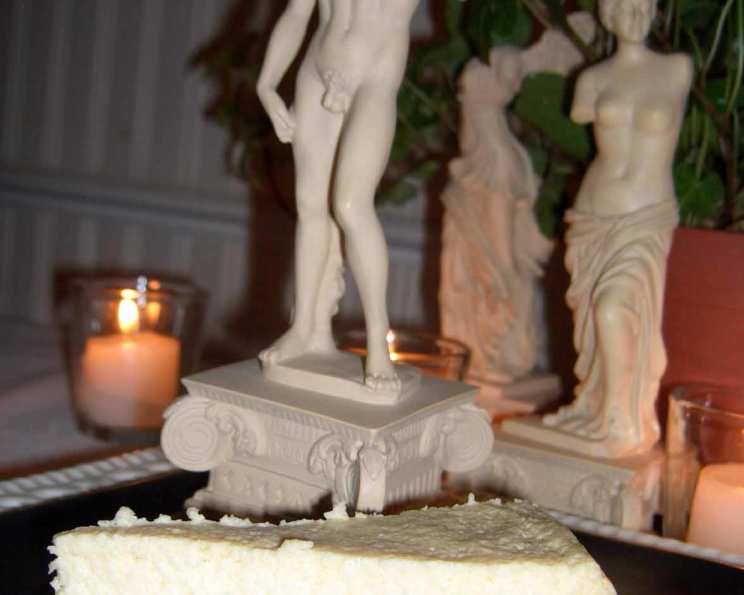
The Art of the Yogurt Cheesecake: A Tangy, Creamy Revelation
There’s a certain magic that happens when simple, wholesome ingredients come together to create something truly extraordinary. For me, that magic often involves yogurt. Its bright tang and incredibly smooth texture have always been a source of inspiration in my kitchen, a delightful counterpoint to richness. While I haven’t had the personal pleasure of creating this specific Yogurt Cheesecake just yet, the promise of its texture and flavor profile, as described in the pages of the NYTimes Magazine, speaks directly to my culinary soul. I envision a cheesecake that’s not just a dessert, but an experience – lighter, yet equally decadent, a testament to the transformative power of Greek yogurt.
Recipe Overview
Here are the key details for this delightful Yogurt Cheesecake:
- Prep Time: 15 minutes
- Cook Time: 1 hour 5 minutes
- Total Time: 25 hours 15 minutes (includes overnight chilling)
- Servings: 10-12
- Yield: 1 pie
- Dietary Type: Dairy
Ingredients
This cheesecake relies on the beautiful balance of creamy dairy and the subtle tang of Greek yogurt.
For the Cheesecake:
- 3 cups Greek yogurt
- 1 ½ cups mascarpone cheese
- ¾ cup granulated sugar
- 3 tablespoons confectioners’ sugar
- 3 large eggs
- 6 large egg yolks
- ½ teaspoon kosher salt
- 1 ½ teaspoons vanilla extract
For the Pan Preparation:
- Cooking spray
- Extra granulated sugar, for dusting the pan
Equipment Needed
To bring this Yogurt Cheesecake to life, you’ll want to have these tools ready:
- A 10-inch springform pan
- An electric mixer (stand mixer or hand mixer)
- A large roasting pan (for the water bath)
- Aluminum foil
- A kettle or pot for boiling water
- A cooling rack
Instructions
Crafting this Yogurt Cheesecake is a patient endeavor, best started the day before you plan to serve it. The water bath and overnight chilling are crucial for achieving that signature creamy texture.
- Prepare for Baking (The Day Before): Begin by preheating your oven to 350 degrees F (175 degrees C). Simultaneously, bring a kettle of water to a boil. This hot water will be essential for the water bath later.
- Prepare the Springform Pan: Lightly grease the inside of your 10-inch springform pan with cooking spray. Then, sprinkle the greased surface generously with granulated sugar, tilting the pan and tapping out any excess. This creates a lovely subtle crust along the sides.
- Water Bath Preparation: To protect your cheesecake from cracking and ensure even baking, we’ll use a water bath. Wrap the outside of the springform pan securely with aluminum foil, making sure the foil comes up the sides of the pan. This acts as a barrier to prevent any water from seeping into the cheesecake during the baking process.
- Create the Filling Base: In the bowl of your electric mixer, combine the Greek yogurt, mascarpone cheese, granulated sugar, and confectioners’ sugar. Beat these ingredients on medium speed until the mixture is thoroughly smooth, which should take about 1 minute.
- Incorporate the Eggs: Gradually add the eggs and egg yolks to the yogurt mixture, one at a time. After each addition, scrape down the sides of the bowl to ensure everything is fully incorporated. This gradual addition helps to create a stable and creamy filling.
- Add Flavor and Seasoning: Gently beat in the kosher salt and vanilla extract until just combined. Be careful not to overmix at this stage, as it can introduce too much air, which can lead to cracking.
- Assemble for Baking: Pour the cheesecake batter into the prepared springform pan. Carefully set the springform pan inside a larger roasting pan.
- Set Up the Water Bath: Now, fill the roasting pan with hot water from your kettle. You want the water level to rise about halfway up the sides of the springform pan. This gentle steam environment is key to a perfectly baked cheesecake.
- Initial Bake: Cover the entire roasting pan with aluminum foil. Tent the foil so that it doesn’t touch the surface of the cheesecake batter directly. This allows steam to circulate without pressing down on the cake. Bake for 20 minutes at 350 degrees F (175 degrees C).
- Continue Baking and Rotating: After the initial 20 minutes, rotate the roasting pan in the oven and continue baking for another 20 minutes. This ensures even heat distribution.
- Final Baking Stage: Uncover the roasting pan. Continue baking until the cake is puffed around the edges but still has a slight jiggle in the very center – it should not appear liquid. The edges should be set, but the center should still be slightly wobbly. This typically takes about 25 minutes more. The total baking time will be around 1 hour and 5 minutes.
- Cooling in the Water Bath: Once baked, turn off the oven and leave the cheesecake in the water bath inside the oven. Allow it to cool gradually until the water in the roasting pan is lukewarm. This slow cooling process helps prevent cracks.
- Further Cooling: Carefully remove the springform pan from the roasting pan and place it on a cooling rack. Allow the cheesecake to cool completely to room temperature.
- Overnight Chill: Once completely cooled, cover the cheesecake tightly with plastic wrap. Refrigerate overnight (or for at least 8 hours). This chilling period is absolutely crucial for the cheesecake to set properly and develop its dense, creamy texture.
- Serving: On the day of serving, remove the sides of the springform pan. Slice and serve chilled.
Expert Tips & Tricks
- Room Temperature Ingredients: While not explicitly stated, for the smoothest batter, ensure your eggs and mascarpone are at room temperature before you begin. This helps them emulsify beautifully with the yogurt.
- Don’t Overmix: Overmixing the batter after adding the eggs can incorporate too much air, which can lead to a cracked cheesecake. Mix only until the ingredients are just combined.
- Water Bath Confidence: Don’t shy away from the water bath! It’s your best friend for achieving a creamy, evenly baked cheesecake and minimizing the dreaded cracks. Ensure your foil wrapping is truly watertight.
- The Jiggle Test: Trust the jiggle! A slightly wobbly center is exactly what you want. The residual heat will continue to cook it as it cools.
Serving & Storage Suggestions
This Yogurt Cheesecake is best served chilled. It’s delightful on its own, allowing the tangy creaminess to shine. For a touch of elegance, a simple dusting of confectioners’ sugar or a scattering of fresh berries makes a beautiful presentation.
Storage: Leftover cheesecake should be covered tightly with plastic wrap or stored in an airtight container in the refrigerator. It will keep well for 3-4 days. It is not recommended to store this cheesecake at room temperature due to its dairy content. Freezing is also not ideal as the texture can be compromised upon thawing.
Nutritional Information
| Nutrient | Amount per Serving | % Daily Value |
|---|---|---|
| Calories | 124.1 kcal | N/A |
| Calories from Fat | N/A | 37 g (30%) |
| Total Fat | 4.2 g | 6% |
| Saturated Fat | 1.4 g | 7% |
| Cholesterol | 189.3 mg | 63% |
| Sodium | 113.2 mg | 4% |
| Total Carbohydrate | 17.9 g | 5% |
| Dietary Fiber | 0 g | 0% |
| Sugars | 17.6 g | 70% |
| Protein | 3.5 g | 7% |
Note: Nutritional values are estimates and can vary based on specific ingredients and portion sizes.
Variations & Substitutions
While this recipe is designed to highlight the unique qualities of Greek yogurt and mascarpone, a few thoughtful tweaks can add new dimensions:
- Crustless Option: For a lighter dessert or if you prefer to skip the crust, this cheesecake can be baked entirely without one. Simply prepare and bake as directed in the greased and sugared springform pan.
- Citrus Zest: For an extra bright flavor, consider adding the zest of one lemon or orange to the filling mixture along with the vanilla. It complements the tang of the yogurt beautifully.
- Flavor Infusions: A teaspoon of almond extract in place of half the vanilla extract can add a subtle, sophisticated nuttiness.
FAQs (Frequently Asked Questions)
Q: Why is a water bath so important for cheesecake?
A: A water bath provides a humid, gentle cooking environment that promotes even baking, prevents the edges from overcooking, and significantly reduces the likelihood of cracks forming on the surface.
Q: My cheesecake cracked! What did I do wrong?
A: Cracking can happen for several reasons: overmixing the batter, baking at too high a temperature, or cooling the cheesecake too quickly. Using a water bath, cooling gradually, and avoiding overmixing are the best preventative measures.
Q: Can I use regular yogurt instead of Greek yogurt?
A: While you could, Greek yogurt is highly recommended for its thicker consistency, which contributes to a firmer, creamier cheesecake. Regular yogurt has more water content and may result in a softer, less set cake.
Q: How can I tell if the cheesecake is done baking?
A: The edges should be puffed and set, while the center should still have a slight jiggle, like gelatin. It shouldn’t be completely liquid, but it shouldn’t be completely firm either.
Q: Can I make this cheesecake ahead of time?
A: Absolutely! In fact, it’s best made the day before you plan to serve it, as it requires at least 8 hours of chilling time to achieve the perfect texture.
Final Thoughts
There’s a certain understated elegance to a cheesecake that balances richness with a bright, zesty note. This Yogurt Cheesecake, with its promise of a velvety smooth texture and a delightful tang, is a testament to that balance. It’s a dessert that feels both comforting and sophisticated, perfect for any occasion. I encourage you to embrace the gentle process, the overnight chill, and the reward of a truly exceptional slice. Serve it with a dollop of crème fraîche or a scattering of seasonal berries, and perhaps a glass of crisp Moscato, and savor every delightful bite. Happy baking!