
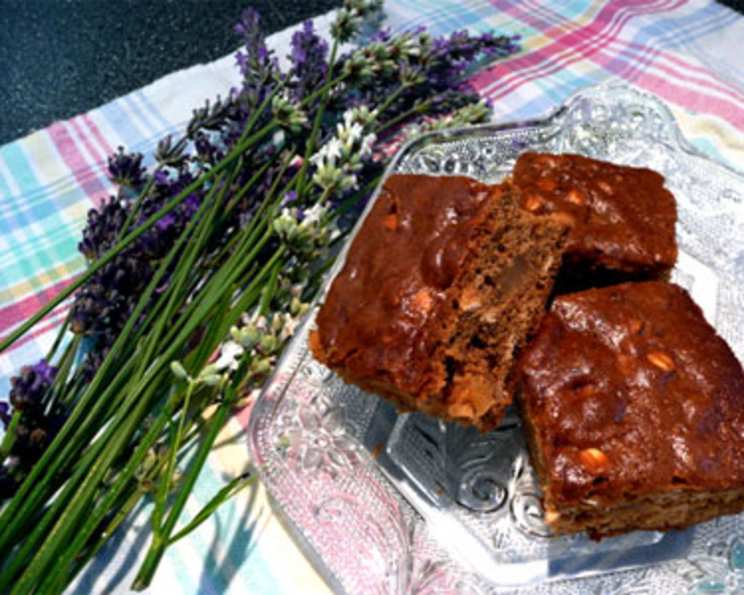
Yorkshire Parkin: A Sticky, Soul-Warming Hug for Bonfire Night
The crisp, autumnal air always brings back a flood of memories, but none quite as potent as the scent of ginger parkin wafting from my grandmother’s kitchen. It was a ritual, a prelude to the crackling bonfires and dazzling fireworks of Bonfire Night. The dark, sticky squares, dense with oats and infused with spices, were a reward, a comforting sweetness against the chilly November air. She’d always insist on making it a few days in advance, allowing the flavours to meld and the texture to achieve that perfect, chewy, almost fudgy consistency. To this day, the mere thought of it conjures up the warm glow of a hearth and the thrill of a sky alight with colour.
Recipe Overview
- Prep Time: 15 minutes
- Cook Time: 1 hour
- Total Time: 1 hour 15 minutes, plus 2-3 days for maturing
- Servings: 12
- Yield: 1 Large Ginger Parkin
- Dietary Type: Egg-Free
Ingredients
This wonderfully dark and sticky gingerbread relies on a few key ingredients to achieve its signature flavour and texture. You’ll need:
- 9 ounces plain white flour (or 9 ounces whole wheat flour for a nuttier flavour)
- 7 ounces dark brown sugar
- 3 ½ ounces porridge oats (jumbo oats are excellent for chewiness, but any will do) or 3 ½ ounces oatmeal
- 1 tablespoon ground ginger
- 2 ounces preserved crystallized ginger, finely chopped
- 5 ounces softened butter (or 5 ounces softened margarine)
- 7 ounces golden syrup (or 7 ounces corn syrup)
- 3 ounces black treacle (or 3 ounces molasses)
- 1 teaspoon bicarbonate of soda
- 2 teaspoons vinegar (white or apple cider vinegar works well)
- ¼ pint milk
Equipment Needed
- Large mixing bowl
- Saucepan
- Whisk or spoon for mixing
- Large roasting tin or Pyrex roasting/lasagne dish (a 9″ x 14″ glass dish is ideal)
- Baking paper
- Wire cooling rack
Instructions
The magic of Yorkshire Parkin truly unfolds with a little patience, but the active preparation is straightforward and rewarding.
- Preheat your oven to 170°C (340°F / Gas Mark 3-4). This moderate temperature ensures the parkin bakes through without burning.
- Prepare your baking tin. Grease a large roasting tin or a Pyrex roasting/lasagne dish thoroughly and line it with baking paper. I find a 9″ x 14″ glass dish is perfectly suited for this recipe, providing ample space for the parkin to bake evenly.
- Combine the dry ingredients. In a large mixing bowl, whisk together the plain white flour (or whole wheat flour), dark brown sugar, porridge oats (or oatmeal), ground ginger, and the finely chopped preserved crystallized ginger. Ensure everything is well distributed.
- Create a well. Make a well in the centre of the dry ingredients. This will be where you add the wet ingredients.
- Melt the fats and syrups. In a saucepan, gently melt the softened butter (or margarine). Once melted, add the golden syrup (or corn syrup) and black treacle (or molasses). Warm them through, stirring occasionally, but do not allow them to boil. A gentle warmth is all that’s needed to combine them smoothly.
- Incorporate the wet ingredients. Pour the warm butter and syrup mixture from the saucepan into the well you created in the centre of the dry ingredients.
- Activate the soda. Drop the bicarbonate of soda directly onto the syrup mixture in the well. Then, sprinkle the vinegar over the bicarbonate of soda. You’ll witness a satisfying fizzing reaction – this is the leavening agent beginning to work.
- Warm the milk. Meanwhile, add the milk to the same saucepan used for the butter and syrups. Gently heat the milk. It should be hand hot, not scalding.
- Mix the batter. Add the warmed milk to the ginger parkin mixture in the bowl. Mix thoroughly until you have a fairly loose batter. It should have a pourable consistency.
- Bake the parkin. Pour the cake batter into the prepared tin/tray. Bake just above the middle of your pre-heated oven for 1 hour.
- Check for doneness. The parkin is ready when it springs back when touched and has a dark brown, slightly sticky surface.
- Cool completely. Once baked, allow it to cool completely in the tin/tray. This is a crucial step for achieving the perfect texture. Resist the temptation to cut into it too soon!
- Mature the parkin. Once completely cool, cut into slices or chunks. Store in an airtight tin for 2 to 3 days before eating. This maturing period is what transforms the parkin into its deliciously sticky and intensely flavoured self. You can also freeze it at this stage if you wish. While it can be eaten straight away, its true glory is revealed after this short maturation period.
Expert Tips & Tricks
- The Importance of Maturing: I cannot stress this enough – patience is key! The longer the parkin rests in an airtight container, the more the flavours deepen and the stickier, more intensely gingerbread-like it becomes. Those 2-3 days are transformative.
- Oat Choice: While jumbo porridge oats offer a delightful chew, don’t stress if you only have standard ones. The recipe still works beautifully. The goal is to introduce that wholesome texture and slightly nutty flavour.
- Treacle vs. Molasses: Black treacle provides a distinct, slightly bitter depth that is characteristic of traditional parkin. Molasses can be a good substitute if treacle is unavailable, but the flavour profile will be slightly different, often a touch sweeter.
- Checking Doneness: A skewer inserted into the centre should come out mostly clean, but a few moist crumbs are perfectly fine. The defining characteristic is that spring-back when you gently press the top.
Serving & Storage Suggestions
Yorkshire Parkin is best served at room temperature. Cut it into generous squares or rustic chunks – its dense nature means a little goes a long way. It’s traditionally enjoyed on Bonfire Night, perhaps with a steaming mug of tea or a glass of mulled cider. It’s also a fantastic accompaniment to a sharp cheddar cheese, offering a delightful sweet and savoury contrast.
For storage, ensure the parkin is completely cool before transferring it to an airtight container. It will happily keep at room temperature for up to 2 weeks. If you find yourself with an abundance (which is rare, I assure you!), it freezes exceptionally well. Wrap individual slices or chunks tightly in cling film, then place them in a freezer-safe bag or container. To thaw, simply bring them to room temperature.
Nutritional Information
(Please note: Nutritional values are approximate and can vary based on specific ingredient brands and substitutions.)
| Nutrient | Amount per Serving | % Daily Value |
|---|---|---|
| Calories | 332.9 kcal | – |
| Calories from Fat | 96 kcal | – |
| Total Fat | 10.8 g | 16% |
| Saturated Fat | 6.4 g | 32% |
| Cholesterol | 26.8 mg | 8% |
| Sodium | 200.5 mg | 8% |
| Total Carbohydrate | 57 g | 19% |
| Dietary Fiber | 1.4 g | 5% |
| Sugars | 21 g | 83% |
| Protein | 4 g | 8% |
Variations & Substitutions
While this recipe is a beloved classic, a few tweaks can personalize it:
- Gluten-Free: For a gluten-free version, carefully substitute the plain flour with a good quality gluten-free flour blend. Ensure your oats are also certified gluten-free. The texture might vary slightly, but the flavour will remain wonderfully gingerbread-like.
- Spice Level: If you love a more pronounced ginger kick, feel free to increase the ground ginger slightly, perhaps to 1 ½ tablespoons. You could also add a pinch of ground cinnamon or a whisper of ground cloves for added warmth.
- Citrus Zest: A little finely grated orange zest added to the dry ingredients can bring a subtle brightness to the rich spice.
FAQs
Q: Why is Parkin traditionally eaten on Bonfire Night?
A: Parkin is a traditional treat from Northern England, and its dense, warming, and intensely spiced nature makes it a perfect comfort food for chilly November evenings when Bonfire Night celebrations take place.
Q: Can I make this parkin without treacle?
A: Yes, you can substitute black treacle with dark molasses. The flavour will be similar, though molasses can sometimes be a touch sweeter and less intensely flavoured than traditional black treacle.
Q: How do I know when my parkin is fully baked?
A: The parkin is ready when the top springs back lightly when gently pressed with your finger and it has a dark, moist appearance. A skewer inserted into the centre should come out with a few moist crumbs attached, but not wet batter.
Q: Does it really make a difference if I wait a few days to eat the parkin?
A: Absolutely! Allowing the parkin to mature for 2-3 days in an airtight container is crucial. The flavours meld and deepen, and the texture becomes significantly stickier and more moist. It’s worth the wait!
Q: Can I use a different type of fat instead of butter or margarine?
A: While butter or margarine provide the classic richness, you could experiment with softened coconut oil, though this may impart a subtle coconut flavour. Ensure it’s softened to the point of being spreadable.
Final Thoughts
Yorkshire Parkin is more than just a cake; it’s a tangible connection to tradition, a warming embrace on a crisp autumn night. It’s the kind of bake that fills your home with an irresistible aroma and promises a comforting, deeply satisfying experience. Whether you’re gathering for Bonfire Night fireworks or simply craving a truly spectacular gingerbread, I urge you to give this recipe a try. The slight delay in gratification for its maturing period is a small price to pay for such profound deliciousness. I’d love to hear how your parkin turns out, and how you choose to enjoy this sticky, oaty delight.