
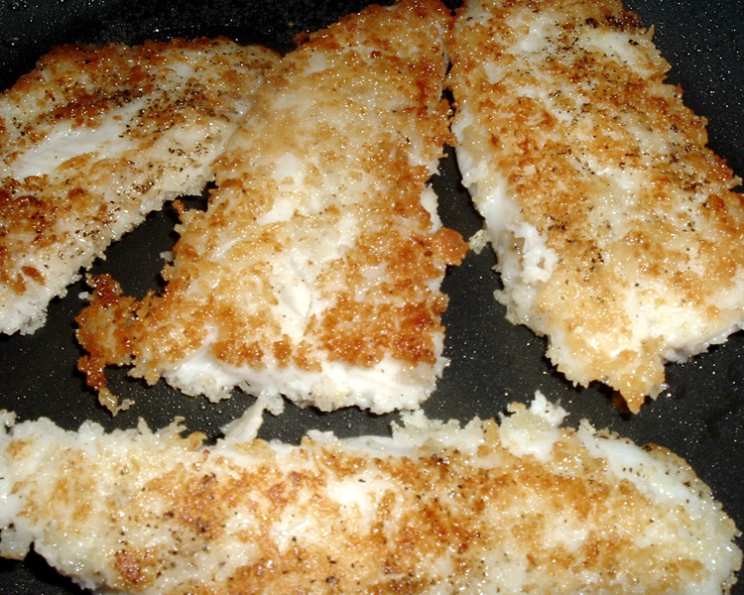
Your Basic Panfried Fish: A Timeless Classic from the Kitchen
I still remember the comforting scent of panfried fish wafting from my grandmother’s kitchen on a crisp autumn evening. It wasn’t fancy, no exotic spices or elaborate sauces, just simple, honest ingredients transformed into something truly delicious. This recipe, a treasured gem from Betty Crocker’s “Good and Easy” Cookbook (1971 edition), is more than just a dish; it’s a portal to those cherished memories, a testament to the enduring power of home cooking. It’s the kind of meal that brings people together, that speaks of warmth and nourishment, and that proves how often the most profound flavors emerge from the simplest preparations.
Recipe Overview
- Prep Time: 10 minutes
- Cook Time: 10 minutes
- Total Time: 20 minutes
- Servings: 4-6
- Yield: N/A
- Dietary Type: Adaptable (Consider Gluten-Free option)
Ingredients
- 2 lbs fish fillets or 2 lbs fish steaks
- 1 teaspoon salt
- 1/8 teaspoon pepper
- 1 egg
- 1 tablespoon water
- 1 cup cornmeal (or 1 cup grated Parmesan cheese for an alternative coating)
- Butter (enough to melt about 1/8 inch deep in the skillet)
Equipment Needed
- Large skillet
- Shallow dish or plate (for egg mixture)
- Shallow dish or plate (for coating)
- Spatula
- Paper towels
Instructions
- Prepare the Fish: If your fish fillets are particularly large, it’s a good idea to cut them into more manageable serving-sized pieces. This ensures even cooking and makes for easier handling.
- Season Generously: Take your salt and pepper and season the fish pieces liberally on both sides. This initial seasoning is crucial for building flavor from the inside out.
- Create the Egg Wash: In a shallow dish, lightly beat the egg with the water. This mixture will act as a binder for your coating, ensuring it adheres beautifully to the fish.
- Coat the Fish: Place your chosen coating – the cornmeal or the Parmesan cheese – in another shallow dish. Dip each seasoned fish piece into the egg mixture, ensuring it’s evenly coated, and then immediately transfer it to the cornmeal or Parmesan dish. Press gently to adhere the coating.
- Melt the Butter: In your large skillet, add enough butter to create a layer about 1/8 inch deep. Place the skillet over medium heat and allow the butter to melt and become shimmering, but not browned.
- Panfry the Fish: Carefully place the coated fish pieces into the hot butter. Be sure not to overcrowd the skillet; cook in batches if necessary to ensure each piece has ample space to fry and crisp up. Fry the fish over medium heat for approximately 10 minutes, flipping halfway through, until golden brown and cooked through. The exact time will depend on the thickness of your fish pieces.
Expert Tips & Tricks
When panfrying fish, the key to a beautiful crust is a properly heated pan and sufficient fat. Ensure your butter is hot but not smoking before adding the fish. This allows the coating to crisp up quickly without the fish becoming greasy or the coating burning. For fillets, watch for the flesh to become opaque and flake easily with a fork. If you’re using thicker steaks, you might need to adjust the cooking time slightly. A good rule of thumb is to cook for about 8-10 minutes per inch of thickness. Don’t be tempted to move the fish around too much in the pan while it’s frying; let it develop a nice crust before attempting to flip it.
Serving & Storage Suggestions
This basic panfried fish is wonderfully versatile. It shines when served piping hot, straight from the skillet, allowing the crispy coating to be at its absolute best. A squeeze of fresh lemon juice over the top is a classic and delightful addition. It pairs beautifully with a simple green salad, creamy coleslaw, or your favorite roasted vegetables. For a heartier meal, consider serving it alongside fluffy mashed potatoes or seasoned rice.
Leftovers can be stored in an airtight container in the refrigerator for up to 2 days. To reheat, the best method is often in a moderately heated oven (around 350°F or 175°C) for a few minutes, or in a non-stick skillet with a touch more butter over low heat, to help revive some of the crispness. Avoid reheating in the microwave, as this can make the fish soggy.
Nutritional Information
| Nutrient | Amount per Serving | % Daily Value |
|---|---|---|
| Calories | 369.8 | |
| Calories from Fat | 31 g | |
| Total Fat | 3.5 g | 5% |
| Saturated Fat | 0.8 g | 4% |
| Cholesterol | 171.2 mg | 57% |
| Sodium | 776.7 mg | 32% |
| Total Carbohydrate | 24 g | 7% |
| Dietary Fiber | 0.9 g | 3% |
| Sugars | 0.1 g | 0% |
| Protein | 56.5 g | 113% |
Note: Nutritional information is an estimate and can vary based on the type of fish and specific ingredients used.
Variations & Substitutions
For those seeking a gluten-free option, simply substitute the cornmeal with a good quality gluten-free flour blend or even rice flour for a delicate crispness. If you’re not a fan of cornmeal, panko breadcrumbs offer a fantastic crunch, or you can stick with the Parmesan cheese for a savory, salty kick. For a touch of elegance, consider the Fish Almondine variation mentioned in the original introduction: brown ¼ cup of butter in a small skillet; stir in ¼ cup toasted slivered blanched almonds, ¼ teaspoon salt, and 2 teaspoons lemon juice. Just before serving, top the panfried fish with this warm almond butter. This simple addition elevates the dish significantly.
FAQs
Q: What kind of fish works best for panfrying?
A: Firmer white fish fillets like cod, haddock, tilapia, or snapper are excellent choices, as are fish steaks like salmon or trout. The key is a fish that holds its shape well during cooking.
Q: How do I prevent the fish from sticking to the pan?
A: Ensure your butter is properly heated and shimmering before adding the fish, and don’t overcrowd the pan. Allowing the fish to develop a crust before attempting to move it also helps.
Q: Can I use oil instead of butter?
A: Absolutely! While butter offers a rich flavor, you can use a neutral oil like canola, vegetable, or sunflower oil for panfrying.
Q: My fish coating is falling off. What did I do wrong?
A: This usually happens if the fish isn’t adequately dried before dipping in the egg wash, or if the coating isn’t pressed on firmly enough. Make sure the fish is patted dry, then dipped in egg, and then pressed into the coating.
Q: How can I tell if the fish is cooked through?
A: The fish should be opaque throughout and flake easily when tested with a fork. For thicker pieces, you can also use an instant-read thermometer; the internal temperature should reach 145°F (63°C).
Final Thoughts
This basic panfried fish recipe is a reminder that true culinary delight often lies in simplicity. It’s a foundational technique that empowers you to create a satisfying and delicious meal with minimal fuss. Whether you’re a seasoned home cook or just starting your journey, mastering this dish will add a valuable, go-to recipe to your repertoire. Serve it with pride, enjoy the process, and savor the comforting flavors. I encourage you to try it, perhaps with a crisp glass of Sauvignon Blanc or a light, hoppy ale, and share your experience. Happy cooking!