
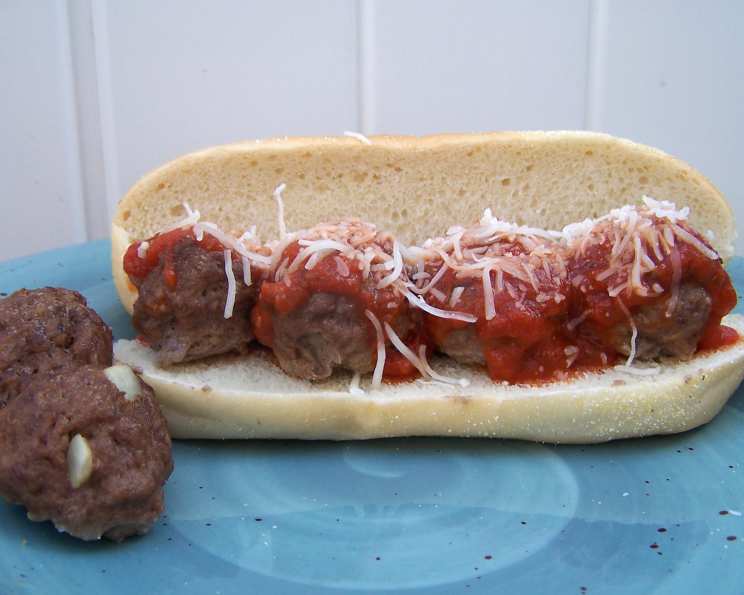
Yummy Meatballs: A Timeless Classic for Every Occasion
There’s something profoundly comforting about a well-made meatball. For me, these aren’t just food; they’re edible snapshots of cherished memories. I recall my grandmother’s kitchen, perpetually warm with the scent of simmering tomato sauce, and the sheer delight of plucking a perfectly browned meatball from the pan, stealing a taste before it even made it to the spaghetti. This recipe, a treasured adaptation from a well-loved Betty Crocker cookbook, has evolved from a simple spaghetti sidekick into the undisputed star of countless gatherings, finding its place of honor in a slow cooker, bathed in rich marinara, ready to be scooped onto toasted subs or enjoyed as a hearty appetizer.
Recipe Overview
- Prep Time: 20 minutes
- Cook Time: 20 minutes
- Total Time: 40 minutes
- Servings: 6-8
- Yield: 12-16 medium meatballs
- Dietary Type: Traditional
Ingredients
Gather these simple, wholesome ingredients to create your delicious batch of meatballs:
- 1 ½ lbs ground beef
- 1 medium onion, finely chopped
- ¾ cup dried breadcrumbs
- 1 tablespoon snipped parsley (fresh or dried)
- 1 teaspoon Worcestershire sauce
- 1 large egg, lightly beaten
- ½ cup milk
- Salt and freshly ground black pepper to taste
- ¼ cup salad oil (for cooking)
Equipment Needed
You’ll find these tools helpful in preparing your meatballs:
- Large mixing bowl
- Measuring cups and spoons
- Cutting board and knife
- Large skillet
- Spatula or tongs
Instructions
Let’s bring these yummy meatballs to life, step by step. The beauty of this recipe lies in its straightforwardness, allowing the quality of the ingredients to shine.
- In a large mixing bowl, combine the ground beef, chopped onion, dried breadcrumbs, snipped parsley, Worcestershire sauce, beaten egg, and milk.
- Season generously with salt and freshly ground black pepper. I like to add a good pinch of both, but adjust according to your preference.
- Using your hands, gently mix all the ingredients until they are just combined. Be careful not to overmix, as this can result in tough meatballs. The mixture should hold together well.
- Shape the mixture into rounded balls. The size you choose will depend on how you plan to serve them. For a spaghetti dinner, slightly larger meatballs work wonderfully. For appetizers or subs, you might prefer them a bit smaller. Aim for consistency so they cook evenly.
- Place a large skillet over medium heat and add the salad oil. The recipe calls for ¼ cup of oil, but I often find that depending on the fat content of your ground beef, you might need less or none at all. If your beef is quite lean, you might need the full amount to prevent sticking.
- Once the oil is shimmering, carefully add the meatballs to the skillet in a single layer. You may need to cook them in batches to avoid overcrowding the pan, which can steam rather than brown them.
- Cook the meatballs for approximately 20 minutes, turning them occasionally with a spatula or tongs to ensure they cook evenly on all sides. I often find that placing a loose-fitting lid on the skillet during the cooking process helps them cook through more thoroughly and prevents splatter.
- The meatballs are done when they are completely cooked through and have a nice, browned exterior. You can check for doneness by carefully removing one meatball and cutting it in half to ensure there is no pinkness inside.
Expert Tips & Tricks
Elevate your meatball game with these seasoned insights:
- Meat Blends: While this recipe calls for ground beef, don’t hesitate to experiment with a blend of beef and pork, or even beef and lamb, for added depth of flavor and a richer texture. A 70/30 lean-to-fat ratio for your ground beef often yields the most tender and flavorful results.
- Breadcrumb Nuances: For an extra tender meatball, you can soak your breadcrumbs in the milk for a few minutes before adding them to the mix. This softens them and helps create a more cohesive, moist texture. Alternatively, you can pulse a few slices of day-old bread in a food processor to create fresh breadcrumbs.
- Herb Variations: The fresh parsley is wonderful, but this is where you can truly let your creativity shine! Don’t be afraid to add other fresh herbs like basil, oregano, or even a pinch of thyme to the mix. Dried herbs work too; just use about a third of the amount of fresh herbs.
- Make-Ahead Magic: Meatballs are incredibly freezer-friendly. Once cooked and cooled, you can freeze them in a single layer on a baking sheet until solid, then transfer them to a freezer-safe bag or container. This is a game-changer for busy weeknights or when you’re hosting a party – less to do on “party” day!
- Skillet Savvy: If you’re concerned about splattering, you can certainly bake your meatballs. Place them on a baking sheet lined with parchment paper and bake at 400°F (200°C) for about 15-20 minutes, or until cooked through, turning halfway through. This method is also great for larger batches.
Serving & Storage Suggestions
These versatile meatballs are a dream to serve, whether for a casual family dinner or a festive gathering.
- Serving: The most classic preparation is, of course, served with a rich spaghetti sauce. Gently simmer the cooked meatballs in your favorite marinara sauce for at least 15-20 minutes to allow the flavors to meld. For parties, transfer the meatballs and sauce to a crockpot set on warm. They are also the foundation for incredible meatball subs, nestled in crusty rolls and topped with melted provolone cheese. For appetizer portions, serve them with toothpicks and a side of extra sauce for dipping.
- Storage: Cooked meatballs will keep in an airtight container in the refrigerator for up to 3-4 days.
- Reheating: To reheat, you can gently simmer them in sauce on the stovetop, microwave them, or reheat them in a 350°F (175°C) oven until warmed through.
- Freezing: As mentioned in the tips, cooked meatballs freeze beautifully. Allow them to cool completely before freezing. To reheat from frozen, you can add them directly to simmering sauce (this will take longer) or thaw them in the refrigerator overnight before reheating as usual.
Nutritional Information
Here’s an approximate nutritional breakdown for a serving of these yummy meatballs, based on a standard recipe serving size:
| Nutrient | Amount per Serving | % Daily Value |
|---|---|---|
| Calories | 331 kcal | |
| Calories from Fat | 173 g | |
| Total Fat | 19.3 g | 29% |
| Saturated Fat | 7.5 g | 37% |
| Cholesterol | 115.2 mg | 38% |
| Sodium | 205.4 mg | 8% |
| Total Carbohydrate | 12.8 g | 4% |
| Dietary Fiber | 0.9 g | 3% |
| Sugars | 1.8 g | 7% |
| Protein | 24.8 g | 49% |
Note: Nutritional values are estimates and can vary based on specific ingredients used.
Variations & Substitutions
While the classic recipe is undeniably delicious, here are a few ideas to put your own spin on these yummy meatballs:
- Leaner Option: For a lighter take, use ground turkey or chicken. You might need to add a bit more moisture (like an extra tablespoon of milk or a touch of broth) to prevent them from becoming dry, as poultry tends to be leaner.
- Spicy Kick: Add a pinch of red pepper flakes to the meatball mixture for a subtle heat.
- Cheesy Delight: Mix in about ¼ cup of finely grated Parmesan cheese or Pecorino Romano into the meat mixture for an extra layer of savory flavor.
- Gluten-Free: For a gluten-free version, simply substitute gluten-free breadcrumbs or use oatmeal (rolled oats pulsed briefly in a food processor) as a binder.
FAQs
Q: Can I make these meatballs without onions?
A: Absolutely. While the onion adds a lovely depth of flavor, you can omit it if you prefer. You can also finely mince garlic or shallots for a similar aromatic base.
Q: Why are my meatballs tough?
A: Meatballs can become tough if the meat mixture is overmixed. Be gentle when combining the ingredients, and stop as soon as everything is incorporated.
Q: Can I use fresh breadcrumbs instead of dried?
A: Yes, you can. If using fresh breadcrumbs, you might want to use slightly less, as they are moister than dried ones.
Q: How can I ensure my meatballs hold their shape?
A: Ensure your egg is well-beaten and the milk is incorporated evenly. The breadcrumbs also act as a binder. Gentle shaping and not overcrowding the pan during cooking are key.
Q: What kind of ground beef is best for meatballs?
A: A ground beef with a moderate fat content, such as 80/20 or 70/30, will yield the most flavorful and tender meatballs.
Final Thoughts
There’s a reason why meatballs have stood the test of time – they are inherently crowd-pleasing, adaptable, and utterly delicious. Whether you’re recreating a childhood favorite or venturing into new culinary territory with these versatile spheres of savory goodness, I encourage you to embrace the process and savor the aroma as they cook. Serve them piping hot with a robust marinara sauce, perhaps alongside a crisp green salad and a crusty baguette to sop up every last drop of sauce. Happy cooking, and even happier eating!