
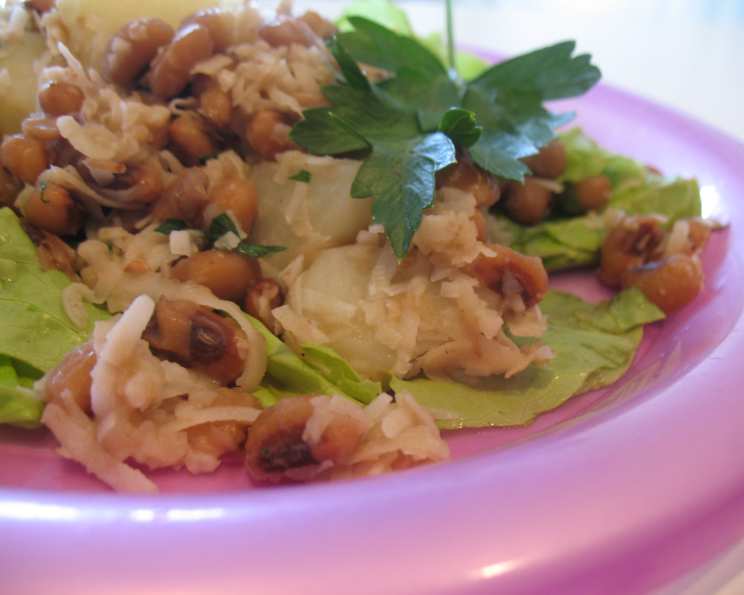
Zanzibari Beans With Coconut and Cilantro: A Taste of Island Sunshine
The humid air of Zanzibar, thick with the scent of spices and the salty tang of the Indian Ocean, is a sensory tapestry I vividly recall. It was on one of my earliest culinary adventures, far from the familiar kitchens of my training, that I first encountered this delightful dish. A small, unassuming stall, bustling with local life, served up bowls of fragrant, ruby-red beans, their aroma a comforting embrace. The chef, a woman with eyes that sparkled like the sun on the water, shared her recipe with a generosity that mirrored the island’s spirit. That first bite – the creamy coconut, the earthy beans, the bright cilantro – was an instant revelation, a testament to the power of simple, fresh ingredients transformed by tradition. It’s a flavor that has stayed with me, a portable memory of island sunshine I can recreate in my own kitchen.
Recipe Overview
- Prep Time: Approximately 15 minutes (excluding cooking/preparation of beans and potatoes)
- Cook Time: Approximately 10 minutes
- Total Time: Approximately 25 minutes (excluding cooking/preparation of beans and potatoes)
- Servings: 4
- Yield: As specified by ingredients
- Dietary Type: Vegan, Vegetarian, Dairy-Free
Ingredients
This Zanzibari delight relies on a harmonious blend of spices and wholesome ingredients. The recipe calls for:
- 2 tablespoons oil (vegetable or coconut oil are excellent choices)
- 3 garlic cloves, finely crushed
- 1 teaspoon hot pepper flakes (or powder – often referred to as “chillies” in Africa)
- 1 tablespoon ground cumin
- 1 tablespoon ground coriander
- 2 teaspoons turmeric
- 1 tablespoon fresh cilantro, finely chopped (plus extra for garnish)
- 1 cup dessicated coconut (these are the fine, dried coconut flakes)
- 1 cup cooked black-eyed peas (tinned are perfectly fine if you’re short on time; ensure they are well-drained)
- 1 cup potato, diced into small, bite-sized pieces and parboiled until just tender
- Salt, to taste
- Lemon juice or lime juice, to taste (lime is often more authentically used in this region)
A Note on Ingredients: The beauty of this dish lies in its simplicity. Ensure your spices are fresh for the most vibrant flavors. If you can find it, using freshly grated coconut can add an extra layer of richness, though dessicated is traditional and readily available.
Equipment Needed
While this recipe doesn’t demand any specialized equipment, a few essentials will make the process smoother:
- A medium-sized saucepan or pot
- A wooden spoon or spatula for stirring
- A measuring cup and spoons
- A knife and cutting board for preparing garlic, cilantro, and potatoes
- A small bowl for parboiling potatoes (if you haven’t already)
Instructions
The preparation of Zanzibari Beans with Coconut and Cilantro is remarkably quick, allowing the vibrant flavors to meld beautifully.
- Begin by heating the oil in your saucepan or pot over medium heat.
- Once the oil is shimmering, carefully add the crushed garlic cloves and hot pepper flakes. Sizzle them for about half a minute, stirring constantly, until they become fragrant. Be mindful not to burn the garlic.
- Next, introduce the ground cumin, ground coriander, and turmeric. Stir these spices into the oil and garlic mixture and cook for another minute or so, stirring often. This brief toasting process awakens the spices and enhances their aromatic qualities.
- Now, add the dessicated coconut to the pot. Fold it into the spice mixture, ensuring it’s well incorporated.
- Incorporate the cooked black-eyed peas and the parboiled diced potato into the pot. Gently stir to coat all the ingredients with the fragrant spice blend.
- Season the mixture generously with salt to your preference. Add a squeeze of lemon juice or lime juice.
- Cook gently over low heat for approximately 10 minutes. During this time, the flavors will meld together beautifully, creating a rich and cohesive dish. Stir occasionally to prevent sticking. The beans and potatoes should be tender and the sauce slightly thickened.
This dish is traditionally served with fresh green vegetables and rice, making for a complete and satisfying meal.
Expert Tips & Tricks
To elevate your Zanzibari Beans experience, consider these professional insights:
- Spice Bloom is Key: Don’t rush the toasting of your spices. A minute or two of gentle heat in the oil is crucial for releasing their full potential and avoiding a raw, dusty flavor.
- Potato Perfection: Parboiling the potatoes ensures they are tender without becoming mushy when simmered with the beans. Aim for fork-tender, not falling apart. You can parboil them in salted water for about 5-7 minutes before draining.
- Juice to Taste: The amount of lemon or lime juice is a matter of personal preference. Start with a smaller amount and add more until you achieve a pleasant tang that balances the richness of the coconut.
- Garnish Generously: A final scattering of fresh, chopped cilantro just before serving adds a burst of color and a refreshing counterpoint to the warm spices.
- Make-Ahead Potential: While best served fresh, the cooked beans and potato mixture can be made ahead and gently reheated. You may need to add a splash of water or vegetable broth to loosen it up. Add the fresh cilantro and citrus juice just before serving for optimal flavor.
Serving & Storage Suggestions
Zanzibari Beans with Coconut and Cilantro is wonderfully versatile. It shines served alongside fluffy basmati rice, a simple green salad, or even as a vibrant side dish to grilled fish or chicken. Garnish with extra chopped cilantro for a final flourish of freshness.
For storage, allow the dish to cool completely before transferring it to an airtight container. It will keep in the refrigerator for up to 3 days. To reheat, gently warm it in a saucepan over low heat, adding a tablespoon or two of water or vegetable broth if it seems too thick. Freezing is not generally recommended as the texture of the beans and potatoes can be compromised.
Nutritional Information
(Please note: This is an estimated nutritional breakdown and can vary based on specific ingredient brands and quantities used.)
| Nutrient | Amount per Serving | % Daily Value |
|---|---|---|
| Calories | 293.1 kcal | |
| Calories from Fat | 66 % | |
| Total Fat | 21.6 g | 33 % |
| Saturated Fat | 13.3 g | 66 % |
| Cholesterol | 0 mg | 0 % |
| Sodium | 193.6 mg | 8 % |
| Total Carbohydrate | 22.8 g | 7 % |
| Dietary Fiber | 7.3 g | 29 % |
| Sugars | 2 g | 8 % |
| Protein | 5.8 g | 11 % |
Variations & Substitutions
While the recipe stands beautifully on its own, feel free to experiment:
- Bean Choices: While black-eyed peas are traditional, other white beans like cannellini or navy beans can be used, though they will alter the final color and texture slightly.
- Spice Levels: Adjust the hot pepper flakes to your preferred level of heat. For a milder dish, reduce or omit them. For a spicier kick, add a pinch more.
- Vegetable Additions: Feel free to add other tender vegetables that cook quickly. Finely diced bell peppers, zucchini, or spinach can be added in the last few minutes of cooking.
- Creaminess Boost: For an even richer, creamier sauce, you could incorporate a few tablespoons of full-fat coconut milk towards the end of the cooking time.
FAQs
Q: Can I use dried black-eyed peas instead of canned?
A: Yes, you can, but you’ll need to soak and cook them according to package directions before adding them to the recipe. This will add significant prep time.
Q: My dish seems a bit dry. What can I do?
A: You can add a splash of water, vegetable broth, or a little extra coconut milk to loosen the sauce to your desired consistency.
Q: Is it important to parboil the potatoes?
A: Yes, parboiling ensures the potatoes are tender when they are added to the dish, preventing them from being hard or requiring longer cooking times that could overcook the other ingredients.
Q: What is “dessicated coconut”?
A: Dessicated coconut is finely ground, dried coconut. It’s commonly available in the baking aisle of most supermarkets.
Q: Can I make this dish ahead of time?
A: Yes, the cooked bean and potato mixture can be made ahead and reheated. Add the fresh cilantro and citrus juice just before serving.
Final Thoughts
Zanzibari Beans with Coconut and Cilantro is more than just a recipe; it’s an invitation to experience a culture steeped in warmth and flavor. It’s a dish that proves that humble ingredients, when treated with respect and love, can create something truly extraordinary. I encourage you to bring the spirit of Zanzibar into your own kitchen, to savor the fragrant spices, the creamy coconut, and the bright zest of citrus. Share it with loved ones, perhaps alongside some fragrant rice and a cooling raita, and let the island’s sunshine fill your home. I’d be delighted to hear about your culinary journey with this delightful dish!