
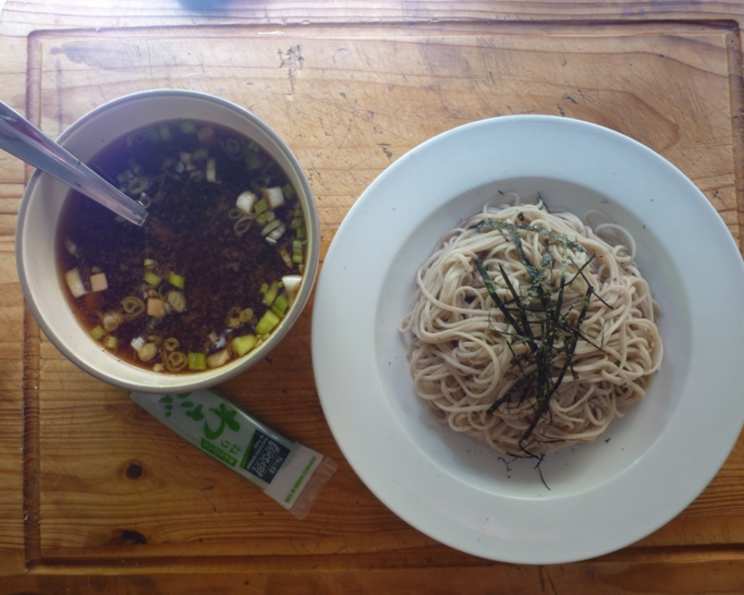
Zaru Soba: A Refreshing Embrace of Chilled Japanese Noodles
The memory of discovering Zaru Soba is etched in my mind with the clarity of a sun-drenched afternoon in Bangkok. I’d stumbled upon a small, unassuming eatery, the air thick with the hum of street life and the tantalizing aroma of something utterly new. There, amidst the vibrant chaos, I found a bowl of glistening, cool noodles, accompanied by a dark, savory dipping sauce. It was unlike anything I’d experienced, a palate cleanser and a meal all in one, incredibly refreshing against the tropical heat. Back home in Australia, this gem remained elusive, prompting me to embark on a culinary quest to recreate its magic. This dish isn’t just food; it’s a whisper of an exotic memory, a testament to the joy of discovery, and a deeply satisfying antidote to the sweltering days.
Recipe Overview
- Prep Time: 10 minutes
- Cook Time: 4 minutes
- Total Time: 14 minutes
- Servings: 1
- Yield: 1 serving
- Dietary Type: Vegetarian (adaptable to Vegan)
Ingredients
- 90 grams dried soba noodles
- 1 cup dashi (Japanese soup stock, see notes for alternatives)
- 2 tablespoons shoyu (Japanese soy sauce) or 2 tablespoons light soy sauce
- 2 tablespoons mirin (Japanese sweet rice wine)
- 1 teaspoon rice wine vinegar
- 2 spring onions, thinly sliced (for garnish)
- 1 teaspoon wasabi paste
- 1 sheet nori (toasted seaweed), cut into four thin strips
Dashi Note: If you can’t find dashi, which is traditionally prepared with bonito flakes (katsuobushi) and kelp (kombu), a good substitute in a pinch is instant miso soup. For a vegetarian or vegan version, use a vegetarian dashi made with kombu and dried shiitake mushrooms.
Equipment Needed
- Medium saucepan
- Colander
- Sharp knife
- Small bowls for serving
- Optional: Ice bath
Instructions
-
Prepare the Dipping Sauce (Tsuyu): In a medium saucepan, combine the dashi, shoyu (or light soy sauce), mirin, and rice wine vinegar. Bring this mixture to a gentle simmer over medium heat. Once simmering, immediately remove the pan from the heat. Allow the sauce to cool completely, then transfer it to the refrigerator to chill thoroughly. This is your tsuyu, the essential dipping sauce.
-
Boil Water for Noodles: Fill a medium saucepan with approximately 1 litre of water and bring it to a rolling boil over high heat.
-
Cook the Soba Noodles: Once the water is boiling vigorously, carefully add the dried soba noodles. Stir them gently to prevent them from sticking together. Cook the noodles for precisely 4 minutes. This timing is crucial for achieving the perfect al dente texture; overcooking will result in mushy noodles.
-
Drain and Rinse the Noodles: Immediately after the 4 minutes of cooking, drain the soba noodles using a colander. This is a critical step for Zaru Soba. Transfer the drained noodles to the colander and rinse them thoroughly under cold running water. Gently “wash” the noodles, rubbing them between your hands to remove as much of the surface starch as possible. This process prevents the noodles from clumping together and ensures a clean, refreshing taste. If you prefer your noodles exceptionally cold, you can place the colander over a bowl of ice water for a few minutes, allowing the noodles to chill further.
-
Prepare the Nori Garnish: Take the nori sheet and carefully cut it into four equal strips. For serving, select one of these strips and slice it very thinly into fine threads.
-
Assemble for Serving: Arrange the chilled, well-drained soba noodles attractively on a plate or, traditionally, on a bamboo mat. This presentation not only looks appealing but also allows for good air circulation, keeping the noodles cool.
-
Garnish the Noodles: Scatter the thinly sliced nori threads over the top of the noodles.
-
Prepare the Condiments: Thinly slice the spring onions and place them in a small dish. Place the wasabi paste in another small dish.
-
Serve: Present the plate of noodles alongside the chilled dipping sauce (tsuyu) and the small dishes of spring onions and wasabi.
-
Enjoy: To eat, take a few strands of the soba noodles, dip them into the tsuyu, adding a touch of spring onion and wasabi to your preference. Then, slurp them up and savor the delightful contrast of cool noodles and savory sauce.
Expert Tips & Tricks
- Don’t Overcook: Soba noodles are delicate. The 4-minute cooking time is a guideline; if your noodles are very fresh or a different brand, start checking them at 3 minutes. They should be tender but still have a slight bite.
- The Rinse is Key: Do not skip the cold water rinse. It’s essential for both texture and temperature, preventing the noodles from becoming a sticky mass.
- Chill the Sauce: A well-chilled tsuyu is paramount for the refreshing nature of Zaru Soba. Prepare it ahead of time and let it chill in the refrigerator for at least 30 minutes, or even longer.
- Nori Prep: For the crispiest nori threads, slice them just before serving.
- Adjusting the Sauce: The provided tsuyu recipe is a good starting point. Feel free to adjust the proportions of shoyu, mirin, and vinegar to suit your personal taste. Some people enjoy a hint of sweetness, in which case a small pinch of sugar can be dissolved into the simmering sauce.
Serving & Storage Suggestions
Zaru Soba is best served immediately after preparation, ensuring the noodles are perfectly chilled and the sauce is cold. The traditional method of serving on a bamboo mat is visually stunning and practical, allowing excess moisture to drain away.
Leftovers are best avoided as the noodles can become clumpy and lose their ideal texture when stored. However, if you must store them, rinse the cooked noodles thoroughly in cold water, drain very well, and store them in an airtight container in the refrigerator for no more than 24 hours. The dipping sauce can be stored in an airtight container in the refrigerator for up to 3 days. When ready to serve leftovers, do not reheat the noodles; simply rinse them again in cold water, drain extremely well, and serve with the chilled sauce.
Nutritional Information
| Nutrient | Amount per Serving | % Daily Value |
|---|---|---|
| Calories | 350.5 kcal | |
| Calories from Fat | 6 g | 8% |
| Total Fat | 0.8 g | 1% |
| Saturated Fat | 0.1 g | 0% |
| Cholesterol | 0 mg | 0% |
| Sodium | 2706.6 mg | 112% |
| Total Carbohydrate | 75.1 g | 25% |
| Dietary Fiber | 1.5 g | 6% |
| Sugars | 1.7 g | 6% |
| Protein | 15.9 g | 31% |
Note: Nutritional values are estimates and can vary based on specific ingredients and brands used.
Variations & Substitutions
- Gluten-Free Zaru Soba: If you need a gluten-free option, look for soba noodles made from 100% buckwheat flour. Be sure to check the packaging, as many soba noodles contain wheat flour.
- Vegetarian/Vegan Dashi: As mentioned, use a dashi made from kombu (kelp) and dried shiitake mushrooms for a fully vegetarian or vegan broth. Ensure your soy sauce is also vegan if strictly adhering to a vegan diet.
- Additional Condiments: While spring onion and wasabi are classic, you can offer other optional garnishes such as finely grated ginger, nori strips (beyond the garnish), or a sprinkle of toasted sesame seeds.
- Spicy Kick: For those who enjoy a bit more heat, a small amount of shichimi togarashi (Japanese seven-spice blend) can be added to the dipping sauce or sprinkled on top.
FAQs
Q: Why do I need to rinse the soba noodles with cold water?
A: Rinsing removes excess starch, preventing the noodles from clumping and ensuring a clean, refreshing texture essential for Zaru Soba.
Q: Can I cook the soba noodles ahead of time?
A: It’s best to cook the noodles just before serving for optimal texture. If you must prepare them in advance, rinse them thoroughly, drain very well, and keep them chilled, but they may lose some of their ideal crispness.
Q: What if I can’t find mirin?
A: Mirin adds a subtle sweetness and depth. You can substitute it with dry sherry or white wine, though the flavor profile will be slightly different.
Q: How can I make the dipping sauce spicier?
A: You can add a small amount of wasabi directly to the dipping sauce to taste, or offer shichimi togarashi as a table condiment.
Q: Is Zaru Soba a light meal or a main dish?
A: Zaru Soba is typically considered a lighter meal or a refreshing appetizer, especially popular during warmer months. The portion size can be adjusted for a more substantial main course.
Final Thoughts
There’s a profound simplicity and elegance to Zaru Soba that never ceases to delight. It’s a dish that celebrates the purity of ingredients and the joy of mindful eating. Each element, from the perfectly chilled noodles to the savory dipping sauce, plays its part in creating a harmonious and invigorating experience. I encourage you to try making this at home; it’s an incredibly rewarding culinary journey that brings a taste of Japan’s refreshing noodle tradition right to your table. Perhaps enjoy it on a warm evening with a crisp glass of chilled sake or a light green tea – a perfect pairing for this exquisite dish.