
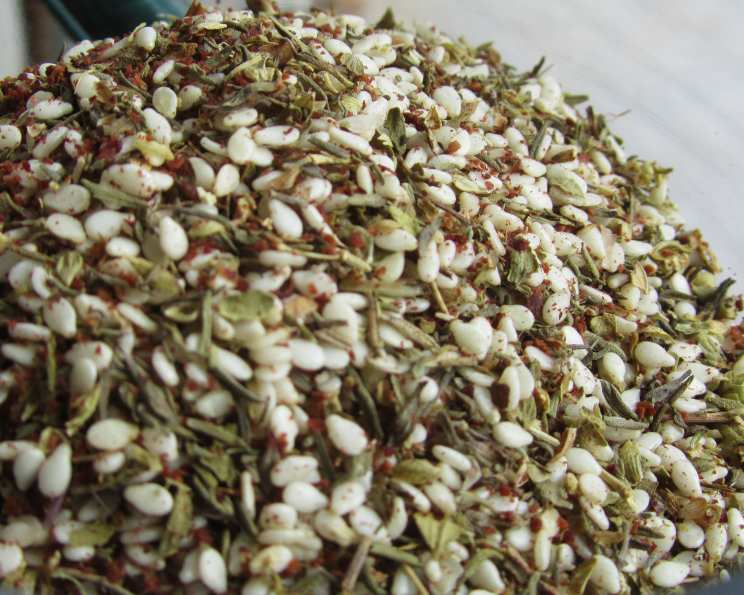
Za’atar: A Timeless Spice Blend from the Heart of the Middle East
My earliest encounters with za’atar weren’t in a fancy restaurant or a meticulously prepared dish, but rather as a fragrant dust that clung to the crisp, warm pita bread my grandmother would tear into pieces for us. Dipped in golden olive oil, then pressed into that vibrant green-gold blend, each bite was an explosion of earthy, tangy, and nutty notes that spoke of ancient lands and shared meals. It was more than just a seasoning; it was an invitation to a tradition, a sensory anchor to my heritage, conjuring images of bustling souks and sun-drenched hillsides where the very herbs were harvested.
Recipe Overview
- Prep Time: 5 minutes
- Cook Time: N/A
- Total Time: 5 minutes
- Servings: Depends on usage
- Yield: 5.5 Tbsp
- Dietary Type: Vegan, Gluten-Free, Dairy-Free
Ingredients
The magic of za’atar lies in its simple, yet potent, combination of fundamental ingredients. Here’s what you’ll need to recreate this beloved blend at home:
- 2 tablespoons sesame seeds, dry roasted
- 1 ½ tablespoons dried thyme, crumbled
- 1 tablespoon dried marjoram or 1 tablespoon dried oregano, crumbled
- 1 tablespoon ground sumac
A Note on Ingredients:
- Sesame Seeds: Toasting the sesame seeds is crucial. It brings out their nutty aroma and flavor, which forms a vital base for the za’atar. You can toast them gently in a dry skillet over medium-low heat until fragrant and lightly golden, or purchase them pre-roasted.
- Thyme: For za’atar, fresh thyme is usually dried. When you buy dried thyme, it’s often best to give it a gentle crumble between your fingers to release its full aroma.
- Marjoram vs. Oregano: Both dried marjoram and oregano are traditional additions. Marjoram tends to be slightly sweeter and milder, while oregano has a more pungent, peppery bite. Feel free to use whichever you prefer or even a combination of both.
- Sumac: This is the ingredient that gives za’atar its characteristic tangy, lemony flavor. Ensure you’re using ground sumac, which has a deep reddish-purple hue.
Equipment Needed
For this simple yet essential spice blend, your kitchen will require very little:
- A small bowl for mixing
- A spoon or whisk for combining
- An airtight container for storage
Instructions
Crafting za’atar is wonderfully straightforward, a testament to its ancient roots and the uncomplicated wisdom of its creators. It’s less of a recipe and more of an assembly of flavors.
- Begin by ensuring all your dried herbs are well-crumbled. If your dried thyme or marjoram/oregano still appear in large pieces, gently rub them between your palms over the mixing bowl to break them down into smaller flakes. This releases their aromatic oils.
- In your small bowl, combine the 2 tablespoons of dry roasted sesame seeds, 1 ½ tablespoons of crumbled dried thyme, 1 tablespoon of dried marjoram or oregano, and 1 tablespoon of ground sumac.
- Using a spoon or a small whisk, mix all the ingredients thoroughly. Ensure the sumac and herbs are evenly distributed amongst the sesame seeds. The goal is a cohesive blend where each element plays its part.
- Once everything is well combined, transfer the za’atar mixture into an airtight container.
Expert Tips & Tricks
The beauty of za’atar is its simplicity, but a few chef-grade insights can elevate its use and longevity:
- The Power of Toasting: As mentioned, toasting the sesame seeds is non-negotiable for peak flavor. If you happen to have raw sesame seeds, spread them on a baking sheet and toast them in a preheated oven at 300°F (150°C) for about 5-7 minutes, or until fragrant and lightly golden. Watch them closely, as they can burn quickly.
- Freshness is Key: While za’atar is a dried spice blend, its vibrancy diminishes over time. For the best flavor, use it within six months to a year. Storing it in a cool, dark place away from direct sunlight and heat will help preserve its aroma and taste.
- Grind for Intensity: For an even more potent aroma, you can gently grind the dried thyme and marjoram/oregano in a mortar and pestle before mixing. Be careful not to over-grind them into a powder, as you still want some texture.
- The “Rub or Dip” Philosophy: The instructions suggest using the blend “as is or mix…with some olive oil to make a rub or with more oil a dip.” This is where za’atar truly shines. For a rub, mix the za’atar with just enough olive oil to create a paste that will adhere to meats, poultry, or vegetables before roasting or grilling. For a dip, increase the olive oil to achieve a pourable consistency, perfect for dipping crusty bread or flatbreads.
Serving & Storage Suggestions
Za’atar is remarkably versatile, a true pantry staple that can transform everyday dishes.
- Serving: The most classic way to enjoy za’atar is as a dip. In a shallow bowl, pour a generous amount of good quality olive oil and sprinkle a substantial amount of za’atar over it. Serve with warm, fresh pita bread or any crusty bread for dipping. It’s also a fantastic seasoning sprinkled directly onto:
- Hummus and baba ghanoush
- Yogurt dips
- Roasted vegetables (especially cauliflower, potatoes, and eggplant)
- Grilled or roasted meats and poultry (chicken, lamb)
- Eggs (scrambled, fried, or in an omelet)
- Salads (as a finishing sprinkle)
- Flatbreads and pizzas
- Storage: Store the prepared za’atar in an airtight container in a cool, dark place. Properly stored, it should maintain its quality for up to 1 year. Avoid storing it in the refrigerator, as moisture can degrade the herbs and spices. If you notice any clumping or a loss of aroma, it’s time to make a fresh batch.
Nutritional Information
Please note: This nutritional information is an estimation based on typical ingredient proportions and is for the spice blend itself, not for a dish prepared with it.
| Nutrient | Amount per Serving (approx. 1 tsp) | % Daily Value (approx.) |
|---|---|---|
| Calories | 22.8 | N/A |
| Total Fat | 1.7 g | 2% |
| Saturated Fat | 0.3 g | 1% |
| Cholesterol | 0 mg | 0% |
| Sodium | 1.2 mg | 0% |
| Total Carbohydrate | 1.7 g | 1% |
| Dietary Fiber | 0.9 g | 3% |
| Sugars | 0 g | 0% |
| Protein | 0.7 g | 1% |
Variations & Substitutions
While the core recipe is iconic, there’s always room for personal touch and adaptation:
- Spice Level: If you enjoy a bit more heat, a tiny pinch of red pepper flakes can be added, though this is not traditional.
- Herb Variations: Some regional variations might include other dried herbs like savory or even a touch of mint. Experiment cautiously, as these can significantly alter the classic za’atar profile.
- Toasted Nut Addition: For a richer, more complex flavor, some recipes include toasted ground almonds or pistachios. Add a tablespoon or two to the blend for a delightful twist.
- Salt Content: Traditionally, salt isn’t always a primary ingredient in homemade za’atar, as it’s often used in dishes where salt is already present. However, if you plan to use it as a standalone seasoning, you might consider adding a pinch of fine sea salt to the blend.
FAQs
Q: What is the primary flavor profile of za’atar?
A: Za’atar is characterized by its complex blend of earthy, herbaceous, tangy, and nutty notes, with the sumac providing a distinct lemony zest.
Q: How do you properly store za’atar to keep it fresh?
A: Store za’atar in an airtight container in a cool, dark place, away from heat and moisture, to preserve its aromatic qualities.
Q: Can I use fresh herbs instead of dried for za’atar?
A: While possible, fresh herbs don’t lend themselves as well to a dried spice blend. Drying the herbs concentrates their flavor and is essential for the characteristic texture and shelf life of za’atar.
Q: What’s the difference between za’atar as a spice blend and za’atar as a dish?
A: Za’atar is the name of the spice blend itself. The “dish” often refers to flatbreads or pastries topped with the za’atar spice mixture, typically mixed with olive oil.
Q: Is za’atar generally spicy?
A: Traditional za’atar is not spicy in terms of heat. The “tang” comes from the sumac, not from chili peppers.
Final Thoughts
Za’atar is a culinary ambassador, a simple yet profound blend that has traversed centuries and continents, enriching countless meals. Its ability to transform the humble into the extraordinary is a testament to the power of thoughtfully combined ingredients. Whether you’re a seasoned home cook or just embarking on your culinary adventures, making your own za’atar is a rewarding experience that connects you to a rich culinary heritage. Try it as a dip with warm bread, sprinkle it over your morning eggs, or use it to elevate roasted vegetables. Share this vibrant spice with loved ones, and savor the taste of tradition.