
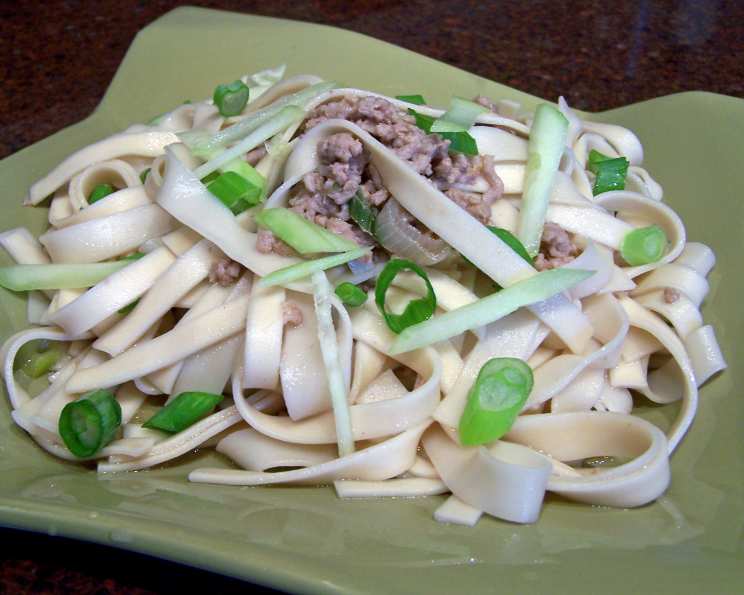
Zhajiang Mian – Minced Pork Tossed Noodles: A Taste of Comfort
There are certain dishes that, with a single aroma, can transport you back in time. For me, Zhajiang Mian holds that power. I first encountered its savory embrace on a bustling street corner in Beijing years ago, the steam rising from a vendor’s wok carrying the promise of something deeply satisfying. The earthy depth of the fermented bean sauce, the tender, seasoned pork, and the satisfying chew of the noodles, all crowned with the bright crunch of cucumber – it was a symphony of textures and flavors that has stayed with me ever since. It’s more than just a meal; it’s a comforting hug in a bowl, a testament to the power of simple, honest ingredients.
Recipe Overview
- Prep Time: 25 minutes
- Cook Time: 25 minutes
- Total Time: 50 minutes
- Servings: 2-4
- Yield: 4 servings
- Dietary Type: Not specified (contains pork and wheat)
Ingredients
This recipe, as I discovered it, is a beautifully balanced one-dish meal that celebrates the robust flavors of Chinese pantry staples. The key here is the brown bean sauce, a deeply savory ingredient that forms the heart of the dish.
For the Minced Pork Sauce:
- 80 ml (1/3 cup) vegetable oil
- 5 green onions, finely chopped (reserve the white and green parts separately)
- 2 large garlic cloves, finely chopped
- 300 g (approximately 9.5 ounces) ground pork
- Sea salt, to taste
- Freshly ground black pepper, to taste
- 1 teaspoon white sugar (to taste)
- 2 tablespoons brown bean sauce
- 1 teaspoon hoisin sauce
- 1 tablespoon Shaoxing wine
- 375 ml (1 ½ cups) chicken stock (plus extra to thin if necessary)
For Serving:
- 500 g (16 ounces) fresh Shanghai noodles (see note below) or 500 g (16 ounces) udon noodles
- 1 Lebanese cucumber, seeds removed and cut into julienne strips
- Reserved green parts of green onions, for garnish
A Note on Shanghai Noodles: These delightful noodles are typically eggless, made from wheat flour, and offer a wonderfully chewy texture. You can find them at most Asian grocery stores. To prevent them from sticking together after cooking, a splash of oil tossed through them after draining is a wonderful trick, especially if you’re preparing them slightly ahead of time.
Equipment Needed
- Wok or large, deep skillet
- Medium saucepan for cooking noodles
- Small bowl for mixing the sauce
- Cutting board and knife
Instructions
The beauty of Zhajiang Mian lies in its straightforward preparation, allowing the rich flavors of the sauce to shine.
-
Prepare the Brown Bean Sauce Mixture: In a small bowl, combine the brown bean sauce, hoisin sauce, and Shaoxing wine. Stir them together until well incorporated. Set aside.
-
Sauté Aromatics and Pork: Heat a wok or large, deep skillet over high heat. Once the wok is hot, add the vegetable oil. Add the white parts of the green onions and the finely chopped garlic. Stir-fry for about 20 seconds until fragrant, being careful not to burn the garlic.
-
Cook the Pork: Add the ground pork to the wok. Break up the pork with your cooking utensil and cook it, stirring frequently, until it turns white and begins to separate into individual pieces. This usually takes about 3-5 minutes.
-
Incorporate the Sauce: Pour the prepared brown bean sauce mixture into the wok with the pork. Stir well to coat the pork evenly.
-
Simmer the Sauce: Reduce the heat to medium. Add the chicken stock to the wok. Simmer the sauce gently for 5-10 minutes, allowing the flavors to meld and the sauce to thicken slightly. If you prefer a thinner consistency for your sauce, you can add another cup of chicken stock at this stage.
-
Season the Sauce: Once the sauce has simmered, season it to taste with sea salt, freshly ground black pepper, and white sugar. Remember that the brown bean sauce is already quite salty, so taste as you go.
-
Cook the Noodles: While the sauce is simmering, bring a medium saucepan of boiling water to a rolling boil. Add the fresh Shanghai noodles (or udon noodles). Cook them for 3-4 minutes, or according to package directions, until they are tender but still have a slight chew.
-
Drain and Prepare Noodles: Drain the noodles thoroughly. If you notice excess starch, you can give them a quick rinse under cool water, but this is usually not necessary with fresh noodles. To prevent sticking, toss the drained noodles with a tiny splash of vegetable oil.
-
Combine Noodles and Sauce: Add the drained noodles directly to the wok with the simmering pork sauce. Add the reserved green parts of the green onions.
-
Toss and Serve: Toss the noodles and green onion through the mince mixture using your cooking utensils, ensuring every strand of noodle is beautifully coated in the rich Zhajiang sauce.
-
Plate and Garnish: Serve the Zhajiang Mian immediately, generously topping each bowl with the crunchy, julienned Lebanese cucumber. The fresh cucumber provides a delightful contrast in both temperature and texture to the warm noodles and savory sauce.
Expert Tips & Tricks
- Quality of Brown Bean Sauce: The brand of brown bean sauce can significantly impact the flavor. Pun Chun is a highly recommended brand for its authentic taste. Don’t be afraid to experiment with different brands if you can’t find it, but be mindful that saltiness can vary.
- Don’t Overcook the Noodles: The noodles should have a pleasant chew, not be mushy. Fresh Shanghai noodles cook very quickly.
- Adjusting Sauce Thickness: The consistency of the sauce is a matter of personal preference. If it’s too thick, a little extra chicken stock or even water can loosen it. If it’s too thin, a longer simmer will help reduce it.
- Toasting Aromatics: Ensure your wok is properly heated before adding the oil and aromatics. This helps to release their full fragrance and prevents them from becoming greasy.
- Mise en Place: Have all your ingredients prepped and measured before you start cooking. This dish comes together quickly, and having everything ready makes the process smooth and enjoyable.
Serving & Storage Suggestions
Zhajiang Mian is best served piping hot, straight from the wok. The vibrant contrast of the dark, rich sauce, the pale noodles, and the bright green cucumber makes for an appealing presentation.
For leftovers, store the cooked noodles and the pork sauce separately in airtight containers in the refrigerator. The pork sauce will keep for 2-3 days, while cooked noodles are best consumed within 1-2 days. To reheat, gently warm the pork sauce in a skillet or microwave, and then toss it with freshly cooked or reheated noodles. Be aware that the noodles may lose some of their texture upon reheating.
Nutritional Information
| Nutrient | Amount per Serving (approx.) | % Daily Value (approx.) |
|---|---|---|
| Calories | 650-750 kcal | 30-35% |
| Total Fat | 35-45 g | 45-60% |
| Saturated Fat | 8-12 g | 40-60% |
| Cholesterol | 80-120 mg | 25-40% |
| Sodium | 800-1200 mg | 35-50% |
| Total Carbohydrate | 60-80 g | 20-25% |
| Dietary Fiber | 4-6 g | 15-25% |
| Sugars | 5-10 g | 5-10% |
| Protein | 25-35 g | 50-70% |
Note: Nutritional values are estimates and can vary based on specific ingredient brands and portion sizes.
Variations & Substitutions
While this recipe is classic in its simplicity, here are a few ideas for variations:
- Vegetarian/Vegan Zhajiang Mian: For a vegetarian version, you can substitute the ground pork with finely chopped shiitake mushrooms, firm tofu, or a plant-based ground “meat” alternative. Use vegetable stock instead of chicken stock and ensure your hoisin sauce is vegan-friendly.
- Spicy Kick: Add a pinch of dried chili flakes or a swirl of chili oil to the brown bean sauce mixture for a spicy variation.
- Other Noodles: While Shanghai or udon noodles are traditional, other chewy noodles like ramen or even thick spaghetti could be used in a pinch, though the texture will differ.
- Vegetable Additions: Some recipes include finely chopped carrots or zucchini sautéed with the pork for added texture and nutrients.
FAQs
Q: What is brown bean sauce and where can I find it?
A: Brown bean sauce, also known as zhajiangmian jiang or dark bean sauce, is a fermented paste made from soybeans, wheat flour, salt, and water. It has a rich, savory, and slightly sweet flavor. You can typically find it in the Asian aisle of well-stocked supermarkets or at any Asian grocery store.
Q: Why are the white and green parts of the green onions separated?
A: The white parts of the green onions have a sharper, more pungent flavor and are best sautéed at the beginning to build the aromatic base of the sauce. The green parts are milder and sweeter and are often reserved for garnishing at the end to add freshness and color.
Q: Can I make the pork sauce ahead of time?
A: Yes, the pork sauce can be made a day in advance and stored in the refrigerator. Reheat it gently on the stovetop or in the microwave before tossing with freshly cooked noodles.
Q: My sauce seems too oily. What did I do wrong?
A: Ensure you’re not using excessive oil. The initial stir-fry of the aromatics and pork does require oil, but the fat from the pork will also render out. If you find it too oily after cooking, you can carefully spoon off some of the excess fat from the surface of the sauce before adding the noodles.
Q: Is this dish traditionally eaten with anything else?
A: Zhajiang Mian is typically a one-dish meal, intended to be hearty and satisfying on its own. However, some might enjoy it with a side of pickled vegetables or a simple clear soup.
Final Thoughts
Zhajiang Mian is a dish that embodies the heart of home-style Chinese cooking – deeply flavorful, incredibly comforting, and surprisingly simple to prepare. It’s a testament to how a few well-chosen ingredients, treated with care, can create something truly memorable. I encourage you to dive into this recipe, to savor the process, and to experience the delightful harmony of textures and tastes that makes this dish a beloved classic. It’s the perfect weeknight meal that feels like a special occasion, a warm embrace from a culinary tradition that values both substance and soul. Enjoy every slurp!