
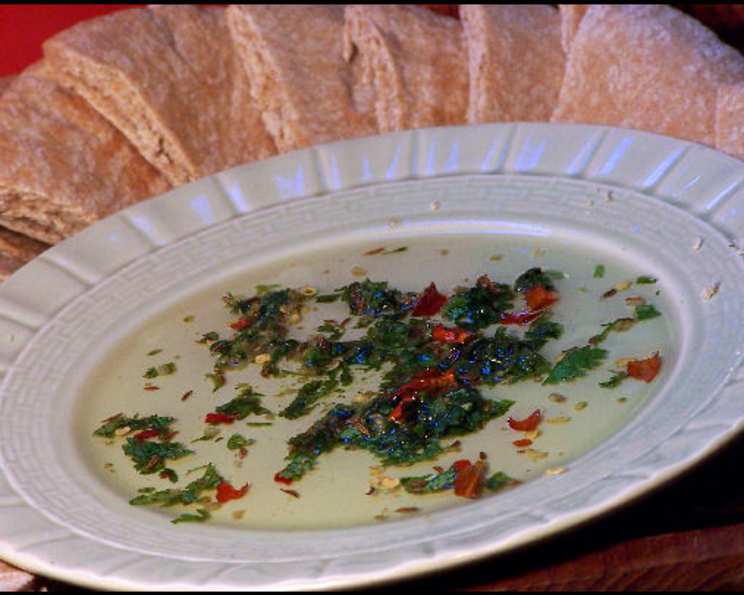
Zhug: A Fiery Yemenite Embrace of Garlic and Spice
There are certain condiments that transcend mere seasoning; they become edible anchors to memory. For me, Zhug is one such treasure. I first encountered its vibrant punch not in a bustling Middle Eastern market, but in a small, unassuming kitchen tucked away in a quiet London neighborhood. My friend Sarah, whose family hailed from Yemen, had a jar of this intensely fragrant paste on her counter. She described it with a twinkle in her eye, a spoonful stirred into her mother’s chicken soup when a cold struck, a fiery dollop beside a humble bowl of lentils, or even, as she confessed with a laugh, a daring swipe on buttered toast when her MIL visited. The aroma alone, a potent blend of garlic, herbs, and a whisper of heat, was enough to pique my culinary curiosity. That first taste was an awakening – a complex dance of pungent garlic, the bright herbaceousness of cilantro, and a lingering warmth that settled deep in my chest, instantly transporting me to a place of pure, unadulterated flavor.
Recipe Overview
- Prep Time: 15 minutes
- Cook Time: 0 minutes
- Total Time: 15 minutes
- Servings: 10
- Yield: Approximately 1/2 cup
- Dietary Type: Vegan, Gluten-Free, Dairy-Free
Ingredients
The magic of Zhug lies in its simplicity, a testament to the power of a few well-chosen, potent ingredients. This recipe, a faithful rendition inspired by the wisdom of Claudia Roden, captures that essence beautifully.
- 1 whole bulb of garlic, peeled
- 1 bunch coriander leaves, with stems removed
- 4 strong dried hot peppers (such as bird’s eye chilies or árbol), soaked in warm water for 1 hour, then drained
- 1 teaspoon black pepper
- 1 teaspoon caraway seed
- 4 cardamom pods
- Salt, to taste
Equipment Needed
This vibrant spread requires minimal equipment, making it an approachable delight for any home cook.
- Food processor or mortar and pestle
- Small bowl or jar for storage
Instructions
The creation of Zhug is a swift, almost alchemical process, transforming humble ingredients into a condiment of extraordinary depth.
- Begin by preparing your dried chilies. Place the strong dried hot peppers in a small bowl and cover them with warm water. Allow them to soak for at least 1 hour to soften. Once rehydrated, drain them thoroughly, pressing out any excess water. You can adjust the number of chilies based on your preferred heat level, but remember their potency.
- In the bowl of your food processor, combine the peeled bulb of garlic, the coriander leaves (ensure all tough stems are removed, leaving only the tender leaves and young stems), the soaked and drained hot peppers, the black pepper, the caraway seed, and the seeds from the cardamom pods.
- Process these ingredients until they form a coarse paste. You may need to scrape down the sides of the bowl a few times to ensure everything is incorporated.
- Season the paste generously with salt. Start with a good pinch, then process again briefly. Taste and adjust the salt as needed. The salt not only enhances the flavors but also acts as a mild preservative.
- Continue to process until you achieve a smooth, yet still slightly textured paste. The consistency should be spreadable. If you find it too thick, you can add a tablespoon of water or a neutral oil (like vegetable or olive oil) to help it along, though this recipe as written aims for a concentrated paste.
- Transfer the finished Zhug to a clean, tightly closed jar.
Expert Tips & Tricks
While Zhug is remarkably straightforward, a few nuances can elevate its flavor and longevity.
- Chili Choice is Key: The heat and flavor profile of your Zhug will heavily depend on the type of dried chilies you use. For a milder, fruitier heat, consider guajillo or ancho peppers. For a more assertive kick, bird’s eye or piquin are excellent choices. Experiment to find your perfect balance.
- Garlic Intensity: The raw garlic is the soul of Zhug. For a slightly less pungent but still robust garlic flavor, you can very lightly roast the garlic bulb for about 15-20 minutes at 350°F (175°C) before peeling and using it. This mellows its sharpness without losing its essence.
- The Herb Balance: Cilantro is traditional, but some variations might include parsley for a slightly different herbaceous note. However, for this authentic recipe, stick to coriander for that signature bright, fresh quality.
- Spice Grinding: For an even more intense aroma, you can lightly toast the caraway seeds and cardamom pods in a dry pan for a minute or two until fragrant before grinding them. This releases their essential oils beautifully.
- Storage for Longevity: To maximize the shelf life of your Zhug, ensure you have a tightly sealed jar. A traditional method, and one I highly recommend, is to spread a thin layer of neutral oil (like vegetable or light olive oil) over the surface of the Zhug in the jar. This creates a protective barrier, preventing oxidation and keeping the vibrant green of the cilantro from browning too quickly.
Serving & Storage Suggestions
Zhug is not just a condiment; it’s a flavor enhancer, a culinary chameleon that brightens countless dishes.
This fiery paste is incredibly versatile. Stir a spoonful into a hearty lentil soup or a comforting bowl of chicken noodle soup – it’s a revelation, especially when you’re feeling under the weather, clearing sinuses with its invigorating warmth. It’s also magnificent dolloped onto grilled meats, falafel, or roasted vegetables. Don’t shy away from spreading it thinly on toast, especially if you’re looking to impress your guests (or your mother-in-law!). It’s also a fantastic component in salad dressings or marinades, adding an unexpected zing.
Zhug keeps exceptionally well. Store it in a tightly closed jar in the refrigerator. With the layer of oil on top, it can last for several weeks, often even longer, developing deeper, more complex flavors as it ages. Always use a clean spoon when serving to prevent introducing contaminants.
Nutritional Information
While Zhug is used in small quantities, it packs a punch of flavor and a modest nutritional profile.
| Nutrient | Amount per Serving (approx. 1 tbsp) | % Daily Value (approx.) |
|---|---|---|
| Calories | 8.7 kcal | – |
| Calories from Fat | – | – |
| Total Fat | 0.1 g | 0% |
| Saturated Fat | 0 g | 0% |
| Cholesterol | 0 mg | 0% |
| Sodium | 5.4 mg | 0% |
| Total Carbohydrate | 1.7 g | 0% |
| Dietary Fiber | 0.5 g | 2% |
| Sugars | 0.2 g | 0% |
| Protein | 0.5 g | 0% |
Note: Nutritional values are estimates and can vary based on specific ingredient brands and quantities used.
Variations & Substitutions
While this recipe stays true to a classic Yemenite Zhug, the beauty of such a fundamental condiment is its adaptability.
- Heat Adjustment: If you prefer a milder paste, you can use fewer dried chilies or substitute them with a milder variety like Aleppo pepper. For an extreme heat challenge, consider adding a few dried habaneros (use with extreme caution!).
- Herb Exploration: While cilantro is traditional, adventurous cooks might experiment with a small amount of fresh parsley or even a touch of mint, though this would venture into a different flavor profile.
- Creamier Texture: For a smoother, more emulsified paste, some modern interpretations might add a small amount of olive oil during processing. This also aids in preservation.
- Nutty Undertones: A small pinch of toasted cumin seeds, ground along with the other spices, can add a lovely earthy depth, though it is not part of the traditional recipe.
FAQs
Q: How do I pronounce Zhug?
A: It’s pronounced “Zhoog,” with a single syllable and a soft “g” sound, similar to the “g” in “beige.”
Q: Can I use fresh chilies instead of dried?
A: While fresh chilies can be used, dried chilies provide a more concentrated flavor and a different kind of heat that is characteristic of Zhug. If using fresh, you’ll need to adjust the quantity significantly and be aware that the color and texture might differ.
Q: My Zhug turned a bit brown, what happened?
A: This is a common occurrence due to oxidation of the herbs. The best way to prevent this is to ensure a layer of oil is spread over the top when storing, and to use a clean utensil each time you serve.
Q: Is Zhug very spicy?
A: Zhug is known for its significant spice. The heat level can be adjusted by the number and type of dried chilies used. Always start with fewer if you are sensitive to heat.
Q: How long does Zhug typically last?
A: When stored properly in a tightly sealed jar in the refrigerator, with a layer of oil on top, Zhug can last for several weeks, often up to a month or even longer.
Final Thoughts
Zhug is more than just a paste; it’s a gateway to a world of vibrant Middle Eastern flavors. Its bold character and remarkable versatility make it an indispensable addition to any chef’s repertoire, whether professional or home-based. The next time you’re looking to elevate a simple meal or add a spark of excitement to your culinary creations, reach for your jar of Zhug. You might just find yourself adding it to everything, from your morning eggs to your evening stew. Give it a try, and let its fiery embrace awaken your palate.