
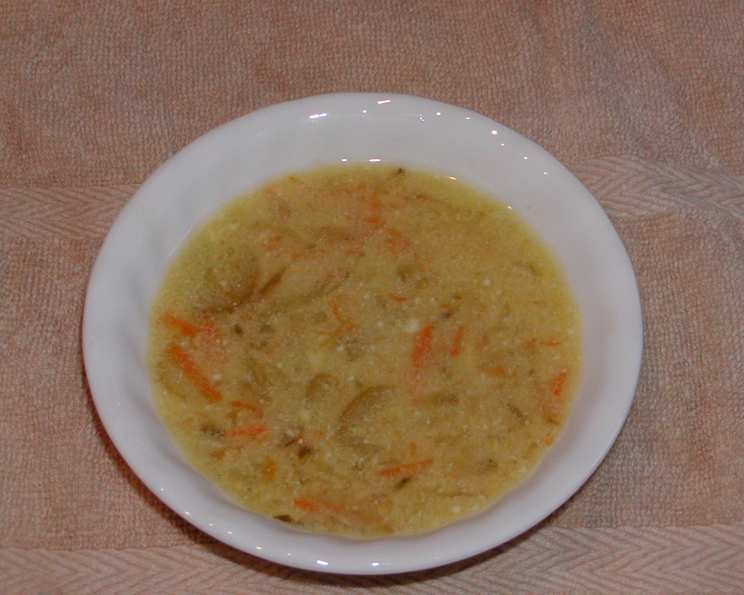
Zosia’s Polish Dill Pickle Soup: A Taste of Nostalgia
The scent of simmering dill pickles, chicken broth, and earthy root vegetables has a way of transporting me back. It conjures images of my grandmother’s kitchen, a place where warmth wasn’t just a temperature but a feeling infused into every dish. This Zosia’s Polish Dill Pickle Soup is a direct descendant of those cherished memories, a bowl brimming with comfort and the distinct, tangy embrace of perfectly preserved dill pickles. It’s a soup that whispers tales of family gatherings and the simple, profound joy of a home-cooked meal, a true culinary hug that warms you from the inside out.
Recipe Overview
- Prep Time: 15 minutes
- Cook Time: 30 minutes
- Total Time: 45 minutes
- Servings: 6
- Yield: Approximately 8-10 cups
- Dietary Type: Contains Dairy
Ingredients
This soup celebrates the humble yet incredibly flavorful dill pickle. The ingredients are straightforward, allowing the star to truly shine.
For the Soup:
- 8 cups chicken broth (or stock)
- 2 chicken bouillon cubes
- 2 medium carrots, coarsely grated
- 2 cups potatoes, peeled and cubed
- 1 cup celery, thinly sliced
- 5 Polish dill pickles, coarsely grated (from the jar, including some brine is a delicious option!)
- 1/2 cup milk
- 2 tablespoons all-purpose flour
- 1 egg
- 5 tablespoons sour cream
- Salt and freshly ground black pepper, to taste
For Garnish (Optional):
- 1/2 teaspoon fresh parsley, finely chopped
- 1/2 teaspoon fresh dill, finely chopped
Equipment Needed
A few essential kitchen tools will make preparing this soup a breeze:
- A large saucepan or soup pot with a lid
- A whisk
- Several small bowls for tempering and mixing
- A grater for the carrots and pickles
- A knife and cutting board for preparing vegetables
Instructions
Crafting this delightful soup is a straightforward process, designed to bring out the best in its simple yet impactful ingredients.
- In your large saucepan or soup pot with its lid, combine the chicken broth (or stock) and chicken bouillon cubes. Add the coarsely grated carrots, cubed potatoes, and thinly sliced celery.
- Bring the mixture to a boil over medium-high heat. Once boiling, reduce the heat to low, cover the pot, and let it simmer gently until the potatoes begin to soften. This should take approximately 10 minutes. It’s important not to overcook the vegetables at this stage; they should still have a slight bite.
- Add the coarsely grated Polish dill pickles to the pot. Continue to cook, covered, for an additional 15 minutes, allowing the flavors of the pickles to meld beautifully with the broth and vegetables.
- While the soup continues to simmer, prepare the thickening agent. In a small bowl, whisk together the milk and flour until perfectly smooth, ensuring there are no lumps of flour.
- To temper the flour mixture and prevent it from clumping, stir in a small amount (about 1/2 cup) of the hot soup into the milk and flour mixture. This gradual introduction of heat helps to equalize the temperatures. Once thoroughly combined, stir this tempered mixture back into the main soup pot.
- Bring the soup back to a boil and cook for a few minutes, stirring occasionally, until the soup has slightly thickened.
- Remove the soup pot from the heat. This is a crucial step to prevent the delicate egg and sour cream mixture from curdling.
- In another small bowl, beat the egg and sour cream together until they are smooth and well combined.
- Similar to tempering the flour, stir in a small amount (about 1/2 cup) of the hot soup into the egg and sour cream mixture. This gentle warming prevents the egg from scrambling.
- Add this tempered egg and sour cream mixture to the soup. Stir continuously until the soup is smooth and creamy.
- Keep the soup warm over very low heat, but it is imperative that you DO NOT BOIL the soup at this point. Boiling can cause the soup to curdle, ruining its lovely texture.
- Season the soup generously with salt and freshly ground black pepper to your liking. Taste and adjust as needed.
- If using, garnish each serving with a sprinkle of finely chopped fresh parsley and fresh dill.
Expert Tips & Tricks
To elevate your Zosia’s Polish Dill Pickle Soup from delicious to truly memorable, consider these professional insights:
- The Pickle Brine Factor: Don’t shy away from adding a tablespoon or two of the pickle brine to the soup along with the grated pickles. This adds an extra layer of tangy depth that is characteristic of authentic Polish dill pickle soup.
- Vegetable Uniformity: While the recipe calls for coarse grating and cubing, try to keep the sizes of your grated carrots and cubed potatoes relatively uniform. This ensures they cook evenly.
- Flour Power: Ensure your milk and flour mixture is absolutely smooth. Any lumps of flour will result in a less desirable texture in the finished soup. A fine-mesh sieve can be your best friend here if you’re concerned about lumps.
- Gentle Tempering is Key: The tempering steps for both the flour mixture and the egg/sour cream mixture are non-negotiable for a silky-smooth soup. Be patient and take your time adding the hot liquid to these components.
- Sour Cream Quality: Opt for a good quality, full-fat sour cream for the richest flavor and creamiest texture. It makes a noticeable difference.
- Don’t Rush the Simmer: Allow the vegetables adequate time to soften in the broth before adding the pickles. This ensures a well-developed base flavor.
Serving & Storage Suggestions
This Zosia’s Polish Dill Pickle Soup is a meal in itself, but it also pairs wonderfully with a crusty rye bread or a simple green salad. Serve it piping hot, making sure the optional fresh herbs are added just before serving for maximum freshness and visual appeal.
Leftovers can be stored in an airtight container in the refrigerator for up to 3 days. When reheating, do so gently over low heat, stirring constantly, and never allow it to boil. If the soup seems a little thick after refrigeration, you can add a splash of chicken broth or water to loosen it. Due to the egg and dairy, this soup is not recommended for freezing, as the texture can be compromised upon thawing.
Nutritional Information
Here’s an estimated breakdown of the nutritional content per serving. Please note that these are approximations and can vary based on specific ingredients used.
| Nutrient | Amount per Serving | % Daily Value |
|---|---|---|
| Calories | 96.2 kcal | |
| Calories from Fat | ||
| Total Fat | 3.4 g | 5% |
| Saturated Fat | 1.5 g | 7% |
| Cholesterol | 23.4 mg | 7% |
| Sodium | 916.4 mg | 38% |
| Total Carbohydrate | 10.1 g | 3% |
| Dietary Fiber | 1.5 g | 6% |
| Sugars | 2.1 g | 8% |
| Protein | 6.2 g | 12% |
Variations & Substitutions
While this recipe is a classic, there’s always room for a touch of personalization:
- Vegetarian/Vegan Adaptation: For a vegetarian version, simply substitute the chicken broth and bouillon with a good quality vegetable broth and vegetable bouillon cubes. To make it vegan, omit the egg and sour cream. Thicken with a roux made from vegan butter and all-purpose flour, and use a plain, unsweetened non-dairy milk like oat or soy milk. You might also consider adding a dollop of vegan sour cream for serving.
- Heartier Soup: For a more substantial soup, add cooked diced ham, sausage, or shredded cooked chicken in the last 15 minutes of simmering.
- Spice It Up: A pinch of red pepper flakes can add a subtle warmth that complements the tangy pickles beautifully.
- Dill Pickle Power: If you love a more intense pickle flavor, use a combination of grated pickles and a little of their brine. You can also experiment with different brands of Polish dill pickles to find your favorite.
FAQs
Q: Can I use regular dill pickles instead of Polish dill pickles?
A: Yes, you can, but Polish dill pickles (often labeled as “kiszone” or “kwaszone”) tend to have a more distinct sourness and fermentation flavor that is ideal for this soup. If using regular dill pickles, you might want to add a touch more brine or a squeeze of lemon juice for acidity.
Q: What does it mean to “temper” the milk and egg mixtures?
A: Tempering is a culinary technique where you gradually introduce a hot liquid to a cold or room-temperature ingredient (like eggs or milk) to gently raise its temperature. This prevents the delicate ingredient from cooking too quickly and unevenly, which can lead to curdling or scrambling.
Q: My soup looks a little thin. How can I thicken it further?
A: If your soup isn’t as thick as you’d like after adding the flour mixture and cooking, you can create a “slurry” by mixing 1 tablespoon of flour or cornstarch with 2 tablespoons of cold water until smooth. Stir this slurry into the simmering soup and cook for another minute or two until thickened.
Q: Can I make this soup ahead of time?
A: Yes, you can prepare the soup and store it in the refrigerator. However, it’s best to add the egg and sour cream mixture right before serving and reheating to maintain the best texture. Reheat very gently to avoid curdling.
Q: What kind of salt should I use?
A: Table salt, kosher salt, or sea salt will all work well. Use what you have on hand and season to taste.
Final Thoughts
Zosia’s Polish Dill Pickle Soup is more than just a recipe; it’s an edible embrace, a liquid hug from a cherished past. It’s a testament to how simple ingredients, prepared with care, can evoke such profound feelings of comfort and connection. I encourage you to gather your ingredients, embrace the process, and let the aroma fill your kitchen. Share it with loved ones, or savor it on a quiet evening – either way, I hope it brings you as much joy and warmth as it does me. Perhaps a dollop of extra sour cream and a slice of hearty pumpernickel bread would be just the ticket to accompany this soul-soothing soup. Enjoy every spoonful!