
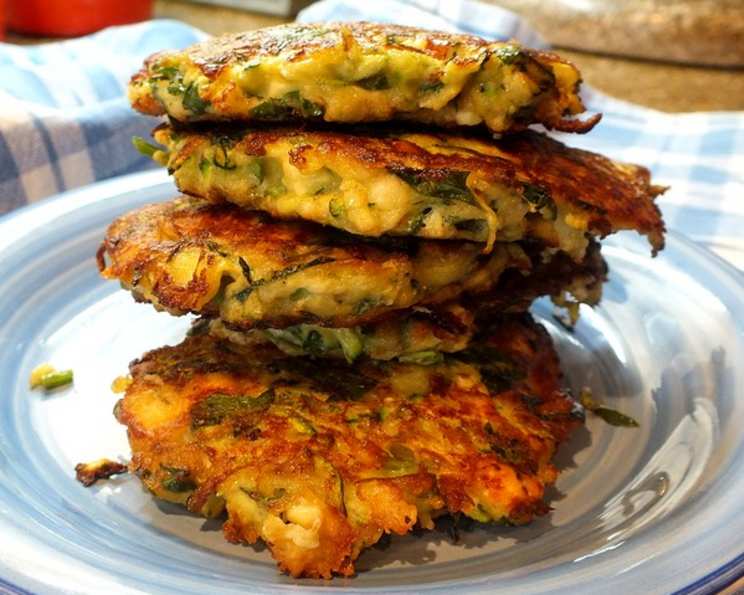
Kolokithopitta: Golden Gems of Greek Zucchini Fritters
There’s a certain magic that happens when humble ingredients are transformed into something extraordinary, and for me, zucchini fritters, or kolokithopitta, hold that magic. I first encountered these golden delights on a sun-drenched afternoon in a small taverna on a Greek island, the air thick with the scent of wild herbs and the gentle murmur of the sea. They arrived on a rustic ceramic plate, impossibly light and crisp, a testament to simple, honest cooking. Each bite was a revelation – a burst of fresh zucchini, salty feta, and fragrant herbs, all bound together in a delicate, golden crust. It was a moment that cemented my love for Greek cuisine, a cuisine that celebrates the bounty of the land with such grace and flavor. These fritters are more than just a recipe; they’re a memory, a taste of sunshine, and an invitation to savor life’s simple pleasures.
Recipe Overview
- Prep Time: 1 hour (includes zucchini draining time)
- Cook Time: 10-15 minutes
- Total Time: 1 hour 10 minutes – 1 hour 15 minutes
- Servings: 4 (as an appetizer or light snack)
- Yields: Approximately 12 fritters
- Dietary Type: Contains Eggs, Dairy, Gluten
Ingredients
Gathering the ingredients for kolokithopitta is like assembling a palette of fresh, vibrant flavors. The star, of course, is the zucchini, which brings a subtle sweetness and moisture. The onion, grated, adds a foundational aromatic depth without overwhelming the delicate balance. Feta cheese, crumbled, provides that essential salty tang that is so characteristic of Greek cooking, while breadcrumbs act as the binder, ensuring the fritters hold their shape beautifully. A generous amount of fresh herbs – parsley and mint – infuses the fritters with an irresistible herbaceous fragrance. Eggs bind everything together, and a good amount of sunflower oil is crucial for achieving that perfect golden crispness during frying. A final sprinkle of salt and pepper seasons the mixture to perfection.
- 1 lb zucchini (about 1/2 kg)
- 1 medium onion, grated
- 1 1/4 cups feta cheese, crumbled (150 g)
- 4 tablespoons breadcrumbs (4.16 tbs UK)
- 1 tablespoon chopped parsley
- 1 tablespoon chopped fresh mint
- 3 medium size eggs
- 7/8 cup sunflower oil (200 ml), for frying, plus extra if needed
- Salt and pepper to taste
Equipment Needed
While kolokithopitta is a simple dish, having the right tools makes the process smoother and more enjoyable.
- A box grater for preparing the zucchini and onion.
- A colander for draining the zucchini.
- A large mixing bowl for combining the ingredients.
- A sturdy frying pan or skillet for shallow frying.
- A slotted spoon or spider strainer for lifting the fritters from the oil.
- Paper towels for draining the cooked fritters.
- A serving platter.
Instructions
Crafting these delightful zucchini fritters is a straightforward process that yields incredibly satisfying results. The key is to properly drain the zucchini, which ensures a crispier fritter and prevents them from becoming soggy.
- Begin by preparing the zucchini. Grate it using the large holes of a box grater. Place the grated zucchini into a colander set over a bowl or in the sink. Sprinkle a generous pinch of salt over the zucchini. This will help draw out excess moisture. Let it drain for at least 1 hour. This is a crucial step for achieving the best texture.
- While the zucchini is draining, prepare the other ingredients. In a large mixing bowl, lightly beat the eggs.
- Add the rest of the ingredients to the beaten eggs, except for the drained zucchini. This includes the grated onion, crumbled feta cheese, breadcrumbs, chopped parsley, and chopped fresh mint. Season with salt and pepper to your liking. Mix everything together gently until just combined.
- Once the zucchini has drained for an hour, drain it thoroughly. The best way to do this is to gather handfuls of the grated zucchini and squeeze out as much liquid as possible between your palms. You’ll be surprised how much water comes out!
- Add the well-drained zucchini to the mixture in the bowl. Mix everything together lightly. Be careful not to overmix, as this can develop the gluten in the breadcrumbs and make the fritters tough.
- Pour the sunflower oil into a frying pan and heat it well over medium-high heat. You want the oil to be hot enough for the fritters to sizzle immediately upon entering, but not so hot that they burn before cooking through.
- To form each fritter, use a tablespoon to scoop a portion of the zucchini mixture. With the aid of another spoon, carefully push the mixture into the hot frying pan. Aim for fritters that are about 2-3 inches in diameter and about 1/2 inch thick. Don’t overcrowd the pan; fry in batches to ensure even cooking and prevent the oil temperature from dropping too much.
- Fry the fritters for a few minutes on each side, until they are nicely browned and golden. This usually takes about 3-4 minutes per side.
- Once golden brown and cooked through, remove the fritters from the pan using a slotted spoon or spider strainer. Drain them on a plate lined with paper towels to absorb any excess oil.
- Repeat the frying process with the remaining mixture, adding more oil to the pan if necessary.
Expert Tips & Tricks
- Squeezing is Key: Don’t underestimate the power of a good squeeze! The drier the zucchini, the crispier your fritters will be. You can even wrap the grated zucchini in a clean kitchen towel and twist it to extract maximum moisture.
- Oil Temperature is Crucial: A consistent, medium-high heat is vital. If the oil is too cool, the fritters will absorb too much oil and be greasy. If it’s too hot, they’ll burn on the outside before cooking through. Test a small spoonful of batter; it should sizzle immediately.
- Don’t Overcrowd the Pan: Frying in batches is essential. Overcrowding lowers the oil temperature, leading to soggy fritters. It also makes them harder to flip evenly.
- Gentle Mixing: When combining the ingredients, especially after adding the zucchini, mix gently. Overworking the batter can lead to tougher fritters.
- Seasoning Adjustment: Taste a tiny bit of the uncooked mixture (if you’re comfortable doing so, ensuring your eggs are fresh) to check for seasoning before frying. The feta is salty, so adjust your added salt accordingly.
Serving & Storage Suggestions
Kolokithopitta are best served warm, fresh from the pan, allowing their crisp exterior and tender interior to be fully appreciated. They make a delightful appetizer, a light lunch alongside a fresh Greek salad, or even a savory breakfast treat. A dollop of thick Greek yogurt or tzatziki on the side offers a refreshing counterpoint to the savory fritters.
For storage, allow the fritters to cool completely before storing. They can be kept in an airtight container in the refrigerator for up to 2-3 days. To reheat, place them on a baking sheet in a preheated oven at 350°F (175°C) for about 5-7 minutes, or until warmed through and slightly crisped. You can also reheat them briefly in a non-stick skillet over medium heat. Freezing is not generally recommended as it can affect their texture.
Nutritional Information
Please note that these values are approximate and can vary based on specific ingredients and portion sizes.
| Nutrient | Amount per Serving (approx.) | % Daily Value (approx.) |
|---|---|---|
| Calories | 680 kcal | 34% |
| Total Fat | 62 g | 95% |
| Saturated Fat | 14.5 g | 72% |
| Cholesterol | 164.5 mg | 55% |
| Sodium | 685.1 mg | 28% |
| Total Carbohydrate | 18.7 g | 6% |
| Dietary Fiber | 2.4 g | 9% |
| Sugars | 6.9 g | 27% |
| Protein | 14.5 g | 28% |
Variations & Substitutions
While the classic kolokithopitta is a masterpiece in itself, there’s always room for a little culinary adventure!
- For a Herbaceous Twist: If you love a stronger herbal note, consider adding a small amount of finely chopped dill or oregano to the mixture.
- Cheese Variations: While feta is traditional, you could experiment with a blend of feta and grated halloumi for an extra salty kick and a slightly chewier texture.
- Spicy Kick: For those who enjoy a little heat, add a pinch of red pepper flakes to the batter.
- Gluten-Free Option: To make these gluten-free, you would need to experiment with a gluten-free breadcrumb substitute. Ensure the substitute has good binding properties. This might require some trial and error to achieve the right texture.
FAQs
Q: Why do my zucchini fritters turn out soggy?
A: The most common reason for soggy fritters is insufficient draining of the zucchini. Ensure you squeeze out as much liquid as possible after salting.
Q: Can I bake these instead of frying?
A: Baking is an option, but the texture will be different. They won’t achieve the same crispness as when fried. If you choose to bake, arrange them on a parchment-lined baking sheet and bake at around 400°F (200°C) until golden brown, flipping halfway through.
Q: How long does the batter last in the refrigerator?
A: It’s best to use the batter immediately after mixing, as the breadcrumbs will continue to absorb moisture, potentially making the batter too wet.
Q: Can I omit the feta cheese?
A: While feta is a key flavor component, if you need to omit it, you could try substituting with another firm, salty cheese, or increase the seasoning slightly. However, the characteristic Greek flavor will be altered.
Q: What’s the best way to serve these fritters?
A: They are incredibly versatile! Serve them as an appetizer with a yogurt-based dip, as a side dish to grilled meats or fish, or as a light meal with a fresh salad.
Final Thoughts
These golden zucchini fritters are more than just a recipe; they’re an invitation to experience the vibrant, fresh flavors of Greece right in your own kitchen. They represent the beauty of simple ingredients transformed with a little care and culinary wisdom. I encourage you to gather your loved ones, put on some gentle music, and embark on the simple joy of creating these delightful kolokithopitta. May each crispy, savory bite transport you to a sun-drenched Mediterranean island. Share your creations, and most importantly, savor the moment. Enjoy!