
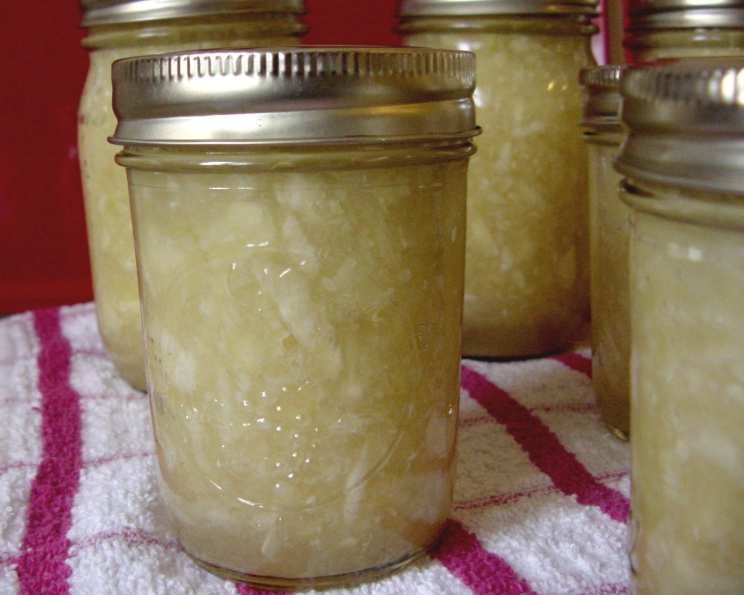
The Unsung Sweetness of Zucchini Pineapple: A Culinary Alchemy
I remember the first time I encountered “Zucchini Pineapple.” It wasn’t a dish I’d grown up with, nor was it a trendy café creation. It was a discovery born from necessity and a touch of kitchen magic, a recipe tucked away in my grandmother’s well-worn recipe box, handwritten on a faded index card. She was a formidable force in the kitchen, a woman who could turn humble ingredients into feasts. When she presented me with a jar of what looked like vibrant, golden pineapple chunks, only to reveal the secret ingredient was, in fact, zucchini, I was skeptical. Yet, one taste, and my entire perception of this versatile squash was transformed. It was a revelation – a testament to how a thoughtful preparation could elevate the ordinary into the extraordinary, creating a sweet, tangy, and utterly delightful condiment that could stand toe-to-toe with its tropical namesake.
Recipe Overview
- Prep Time: 20 minutes
- Cook Time: 20 minutes
- Total Time: 40 minutes
- Servings: 12 pints
- Yield: 12 pints
- Dietary Type: Vegetarian
Ingredients
This recipe transforms humble zucchini into a delightful, sweet, and tangy preserve that mimics the flavor and texture of pineapple. The magic lies in the careful balance of acidity and sweetness.
- 18 cups ground zucchini (about 4.5 pounds of zucchini, grated using the large holes of a box grater)
- 1/2 cup lemon juice (freshly squeezed is always best for vibrant flavor)
- 3 cups sugar (granulated sugar is standard here)
- 1 (46 ounce) can pineapple juice
Equipment Needed
To embark on this culinary transformation, you’ll need a few essential tools to ensure success:
- Large stockpot or Dutch oven
- Large heatproof bowls (for soaking zucchini)
- Cheesecloth or a fine-mesh sieve
- Measuring cups and spoons
- Jars and lids for canning (ensure they are sterilized)
- A large spoon or ladle for packing jars
- A small towel for wiping jar rims
Instructions
The process of making Zucchini Pineapple is akin to a gentle alchemy, where time and heat coax out unexpected flavors and textures. It’s a rewarding endeavor that results in a delightful preserve.
- Begin by preparing the zucchini. Wash and trim your zucchini, then grate them using the large holes of a box grater. You’ll need 18 cups of this ground zucchini.
- Next, you’ll want to draw out excess moisture from the grated zucchini. Place the ground zucchini in a large, heatproof bowl. Pour the 1/2 cup of lemon juice over the zucchini.
- Allow the zucchini to sit in the lemon juice for at least 20 minutes. This step is crucial for softening the zucchini and beginning the transformation process, and it also helps to remove some of the watery nature of the squash.
- After the soaking period, drain the zucchini very well. You can do this by pressing it in a fine-mesh sieve or by wrapping it in cheesecloth and squeezing out as much liquid as possible. The firmer and drier you can get the zucchini at this stage, the better the final texture will be.
- In a large stockpot or Dutch oven, combine the drained zucchini, 3 cups of sugar, and the 1 (46 ounce) can of pineapple juice.
- Bring the mixture to a boil over medium-high heat, stirring occasionally to ensure the sugar dissolves completely and the mixture doesn’t scorch.
- Once boiling, reduce the heat to low and simmer for 20 minutes. Stir the mixture frequently during this simmering period. The zucchini will soften further, and the liquid will thicken slightly, taking on a beautiful golden hue.
- While the zucchini mixture simmers, prepare your canning jars and lids. Ensure they are clean and sterilized according to standard canning practices. Keep them hot until you are ready to fill them.
- After simmering for 20 minutes, carefully pack the hot Zucchini Pineapple mixture into the hot jars and seal them. Use a ladle and spoon to fill the jars, leaving about 1/2 inch of headspace. Wipe the rims of the jars clean with a damp cloth before placing the sterilized lids and rings on.
- Process the jars according to your preferred canning method (water bath canning is typical for this type of preserve). The recipe as written yields approximately 12 pints.
Expert Tips & Tricks
Mastering the art of preserving requires a few insider secrets. Here’s how to elevate your Zucchini Pineapple game:
- Zucchini Selection: Opt for young, tender zucchini for the best results. Overly mature zucchini can be watery and have larger seeds, which can affect the texture.
- Grating Technique: Use the large holes of your box grater for a texture that mimics crushed pineapple. Finer grating can result in a mushier product.
- Moisture Removal is Key: Don’t skimp on draining the zucchini. The more moisture you can remove after the lemon juice soak, the better your Zucchini Pineapple will hold its shape and texture. Press it firmly!
- Canning Safety: Always follow recommended canning guidelines for safe preservation. Sterilizing jars and lids properly is paramount to prevent spoilage.
- Sweetness Adjustment: While the recipe calls for a specific amount of sugar, you can slightly adjust it to your preference. However, remember that sugar acts as a preservative, so significant reduction might impact shelf life.
- Flavor Enhancers: For an added layer of complexity, consider adding a pinch of ground ginger or a vanilla bean (scraped seeds) to the simmering mixture.
Serving & Storage Suggestions
The versatility of Zucchini Pineapple is one of its greatest assets. Its sweet and tangy profile makes it a fantastic addition to a variety of dishes, and its extended shelf life means you can enjoy its unique flavor long after the summer harvest.
Serving:
- As a Topping: This preserve is wonderful spooned over pancakes, waffles, or French toast. It adds a bright, fruity note without the usual richness of butter and syrup.
- In Desserts: It can be incorporated into cakes, muffins, or quick breads to impart a subtle tropical flavor and moisture. Think of it as a surprise ingredient that adds a delightful twist.
- With Savory Dishes: Don’t be afraid to pair it with savory elements! It’s a fantastic accompaniment to pork roasts, ham, or grilled chicken, offering a sweet and acidic counterpoint.
- In Salads: A spoonful can elevate a simple fruit salad or even a coleslaw, adding an unexpected tangy zest.
- As a Condiment: Serve it alongside cheese platters; its unique flavor pairs surprisingly well with sharp cheddars and creamy bries.
Storage:
- Unopened Canned Jars: Properly canned Zucchini Pineapple will keep in a cool, dark place for up to a year. Always check the lids for a good seal before consuming.
- Opened Jars: Once opened, refrigerate the Zucchini Pineapple. It should remain fresh in the refrigerator for 2 to 3 weeks.
- Freezing (Not Recommended): While freezing is an option for some preserves, the texture of Zucchini Pineapple can become somewhat watery and less appealing after thawing. Canning is the preferred method for long-term storage.
Nutritional Information
This information is an estimation and can vary based on the exact ingredients and quantities used.
| Nutrient | Amount per Serving (approx. 1/2 cup) | % Daily Value |
|---|---|---|
| Calories | 285.4 kcal | 14% |
| Total Fat | 0.8 g | 1% |
| Saturated Fat | 0.2 g | 0% |
| Cholesterol | 0 mg | 0% |
| Sodium | 17.7 mg | 1% |
| Total Carbohydrate | 70.6 g | 23% |
| Dietary Fiber | 2.1 g | 8% |
| Sugars | 65.7 g | 131% |
| Protein | 2.7 g | 5% |
Variations & Substitutions
While the classic Zucchini Pineapple is delightful on its own, feel free to experiment and make it your own:
- Citrus Variations: Instead of lemon juice, you could experiment with lime juice for a different tang or a combination of both.
- Spiced Zucchini Pineapple: Add a small amount of ground cinnamon, nutmeg, or cloves to the simmering mixture for a warmer, more autumnal flavor profile. A few strips of orange zest can also add a lovely aromatic note.
- Pineapple Juice Alternative: If you can’t find pure pineapple juice, you can use a pineapple juice blend, but be mindful of added sugars and potential flavor differences. Diluted pineapple concentrate could also work, but adjust sugar accordingly.
- Less Sweet Version: For a less sweet preserve, you can reduce the sugar by up to 1/2 cup, but be aware that this may slightly impact the preserving quality and the final texture.
FAQs
Q: Can I use different types of zucchini for this recipe?
A: Yes, you can use most common varieties of zucchini. However, it’s best to use younger, tender zucchini as they are less watery and have fewer seeds.
Q: How long does Zucchini Pineapple last after opening?
A: Once opened, it should be refrigerated and will typically last for 2 to 3 weeks. Always check for signs of spoilage before consuming.
Q: What is the best way to store homemade Zucchini Pineapple?
A: Properly canned and sealed jars can be stored in a cool, dark place for up to a year. Opened jars must be refrigerated.
Q: Can I make this recipe without canning?
A: You can make a smaller batch and store it in the refrigerator, but canning is recommended for long-term shelf stability and safety.
Q: Will this taste like zucchini?
A: The beauty of this recipe is that the zucchini flavor is transformed. The lemon juice and pineapple juice create a sweet and tangy profile that strongly resembles pineapple, with the zucchini providing a similar texture.
Final Thoughts
There’s a unique satisfaction that comes from transforming an abundant garden vegetable into something entirely unexpected and utterly delicious. Zucchini Pineapple is more than just a recipe; it’s a testament to culinary ingenuity and the power of simple ingredients. It’s a bright spot of sunshine preserved in a jar, ready to liven up any meal. I encourage you to give this delightful preserve a try, especially when zucchini is at its peak. Serve it with your favorite breakfast treats, alongside a Sunday roast, or simply enjoy a spoonful straight from the jar. It’s a little bit of kitchen magic that’s sure to surprise and delight.