
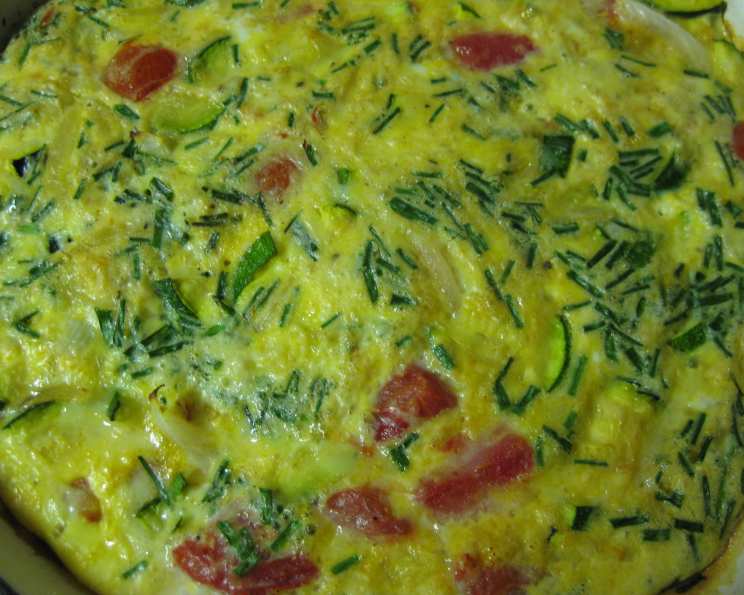
The Sunny Side of Summer: A Zucchini-Tomato Frittata Masterclass
There are some dishes that just taste like summer, and for me, a perfectly executed frittata, bursting with the season’s bounty, is absolutely one of them. I can vividly recall my grandmother’s kitchen, a sun-drenched haven where the air was always thick with the aroma of simmering tomatoes and fresh herbs. She’d whip up this very frittata, the zucchini tender and sweet, the tomatoes juicy jewels, all held together by a cloud of eggs and a whisper of Parmesan. It was a dish born from abundance, a testament to using what the garden offered, and it remains a cornerstone of my summer cooking, a comforting embrace on a warm evening.
Recipe Overview
- Prep Time: 15 minutes
- Cook Time: 30 minutes
- Total Time: 45 minutes
- Servings: 8
- Yield: 1 frittata
- Dietary Type: Vegetarian
Ingredients
This recipe is a celebration of simple, fresh ingredients, letting the natural flavors of the zucchini and tomatoes shine.
- 8 large eggs, beaten
- 1/4 cup grated Parmesan cheese
- 1/2 teaspoon salt
- 1/4 teaspoon ground black pepper
- 2 tablespoons minced chives or 2 tablespoons green onions, thinly sliced (both green and white parts)
- 2 tablespoons extra virgin olive oil, divided
- 2 medium zucchini, thinly sliced (about 1/8-inch thick)
- 1/2 cup thinly sliced Vidalia onion
- 1 medium tomato, peeled and chopped (about 1 cup)
- 1 clove garlic, minced
Equipment Needed
A few key pieces of equipment will make this frittata a breeze to prepare.
- 10-inch ovenproof non-stick skillet
- Medium mixing bowl
- Whisk
- Small bowl
- Spatula
- Plate (for inverting)
Instructions
Crafting this frittata is a straightforward process that yields impressive results. The key is gentle cooking and proper setting of the eggs.
-
Preheat Your Oven: Begin by preheating your oven to 350°F (175°C). This ensures a consistent and even heat for baking.
-
Whisk the Egg Mixture: In a medium bowl, vigorously whisk together the 8 large eggs, 1/4 cup grated Parmesan cheese, 1/2 teaspoon salt, 1/4 teaspoon ground black pepper, and the 2 tablespoons minced chives (or green onions). Set this flavorful egg base aside.
-
Sauté the Zucchini (in batches): Heat 1 tablespoon of extra virgin olive oil in your 10-inch ovenproof non-stick skillet over medium heat. Add half of the thinly sliced zucchini. Cook them until they are tender, which should take about 3 minutes. Once tender, transfer the cooked zucchini to a small bowl. Repeat this process with the remaining tablespoon of olive oil and the rest of the zucchini slices, reserving them in the same small bowl. This technique ensures the zucchini cooks evenly and doesn’t release too much moisture into the frittata.
-
Cook the Aromatics: Add the remaining 1 tablespoon of extra virgin olive oil to the same skillet. Over medium heat, add the 1/2 cup thinly sliced Vidalia onion, the 1 cup chopped tomato (peeled), and the 1 minced garlic clove. Cook these aromatics for about 5 minutes, or until the onions are tender and translucent.
-
Combine and Distribute: Return all of the cooked zucchini to the skillet with the onion and tomato mixture. Evenly distribute the vegetables across the bottom of the skillet, creating a nice base for the egg mixture.
-
Add the Egg Mixture: Pour the prepared egg mixture over the vegetables in the skillet, ensuring it is spread evenly to cover everything.
-
Initial Set on the Stovetop: Allow the frittata to cook on the stovetop for about 3 minutes, or until the bottom of the frittata is just set. You’ll see the edges begin to firm up.
-
Bake to Perfection: Carefully place the skillet into the preheated oven. Bake for 12 to 15 minutes, or until the frittata is completely set and the top is golden brown. To test for doneness, you can gently insert a knife into the center; it should come out clean.
-
Invert and Serve: Once baked, carefully remove the skillet from the oven. To serve, invert the frittata onto a plate. You can gently loosen the edges with a spatula if needed before inverting. Cut the frittata into slices and serve immediately.
Expert Tips & Tricks
As a chef, I’ve learned that a few simple techniques can elevate even the most humble dishes.
- Zucchini Moisture Control: Don’t skip the batch cooking of the zucchini! This step is crucial for preventing a watery frittata. Cooking it first allows some moisture to evaporate, and reserving it in a bowl prevents it from getting soggy before the eggs are added.
- Even Vegetable Distribution: When you return the zucchini to the skillet, take a moment to ensure it’s spread evenly. This creates a more pleasing texture and appearance in each slice of frittata.
- Doneness Test: While the 12-15 minute bake time is a good guideline, ovens can vary. The best way to check if your frittata is done is to gently jiggle the skillet; the center should be firm, not liquidy. A quick knife test is also reliable.
- The Perfect Invert: To ensure a clean inversion, make sure your skillet is truly non-stick and that the edges of the frittata have set well on the stovetop. A gentle tap on the bottom of the pan before inverting can also help release it. If you’re nervous about inverting, you can also finish cooking it entirely in the oven, uncovered, after the initial stovetop set. This will add a few extra minutes to the total bake time.
- Chive Power: Fresh chives or green onions add a subtle oniony brightness that cuts through the richness of the eggs and cheese. If you don’t have either, a pinch of dried chives can work in a pinch, though fresh is always preferred for vibrant flavor.
Serving & Storage Suggestions
A zucchini-tomato frittata is incredibly versatile, making it perfect for breakfast, brunch, lunch, or even a light dinner.
Serve it warm right after inverting, allowing the steam to rise and carry the delicious aromas. It pairs beautifully with a simple side salad dressed with a light vinaigrette, some crusty bread, or even a dollop of Greek yogurt or sour cream for an extra creamy element. For a more substantial meal, consider serving it alongside roasted potatoes or grilled asparagus.
Leftovers can be stored in an airtight container in the refrigerator for up to 3 days. It reheats well, either gently in a low oven (around 300°F or 150°C) until warmed through, or even at room temperature if you’re in a rush. You can also enjoy it cold, straight from the fridge; the flavors meld beautifully overnight.
Nutritional Information
Here’s an approximate nutritional breakdown for this delightful frittata.
| Nutrient | Amount per Serving | % Daily Value |
|---|---|---|
| Calories | 130.9 kcal | |
| Calories from Fat | 63% | |
| Total Fat | 9.2 g | 14% |
| Saturated Fat | 2.6 g | 13% |
| Cholesterol | 188.8 mg | 62% |
| Sodium | 269.4 mg | 11% |
| Total Carbohydrate | 3.8 g | 1% |
| Dietary Fiber | 0.9 g | 3% |
| Sugars | 2.3 g | 9% |
| Protein | 8.4 g | 16% |
Note: Nutritional values are estimates and can vary based on specific ingredients and portion sizes.
Variations & Substitutions
While this recipe is fantastic as is, here are a few ideas to customize it to your liking:
- Cheesy Delight: Feel free to experiment with other cheeses! A sprinkle of Gruyère, sharp cheddar, or even a dollop of goat cheese would be delicious additions.
- Herb Garden: Beyond chives, consider adding fresh parsley, basil, or a pinch of dried oregano to the egg mixture for an extra layer of herby flavor.
- Veggie Power-Up: This frittata is a wonderful canvas for other vegetables. Thinly sliced bell peppers, spinach (wilted first), or even a few sautéed mushrooms can be incorporated. Just ensure any added vegetables are cooked and drained of excess moisture before adding to the frittata.
- A Touch of Spice: For those who enjoy a little heat, a pinch of red pepper flakes added to the onion and tomato mixture can provide a subtle kick.
FAQs
Q: Can I make this frittata ahead of time?
A: Yes, frittatas are excellent for making ahead. Once cooled, store it in an airtight container in the refrigerator for up to 3 days. Reheat gently before serving.
Q: What kind of tomatoes work best?
A: Ripe, juicy tomatoes are ideal. If you can’t peel them easily, using canned diced tomatoes (drained well) is a decent substitute, though fresh will offer the best flavor.
Q: Why is my frittata watery?
A: This is usually due to not cooking down the zucchini enough, or adding watery vegetables without draining them. Sautéing in batches and ensuring vegetables are tender before adding the egg mixture is key.
Q: Can I use a different type of onion?
A: Absolutely. While Vidalia onions offer a lovely sweetness, yellow or white onions will also work. Just be mindful that they might have a slightly stronger flavor.
Q: How do I know when the frittata is completely set?
A: The center should be firm to the touch and a knife inserted into the middle should come out clean. A slight jiggle of the pan should not reveal a liquid center.
A Taste of Sunshine, Anytime
This Zucchini-Tomato Frittata is more than just a recipe; it’s a feeling. It’s the taste of warm sunshine, the satisfaction of simple, fresh ingredients coming together in perfect harmony, and the comforting embrace of home cooking. Whether you’re a seasoned cook or just starting out, I encourage you to bring this vibrant dish into your kitchen. It’s a reminder that delicious, wholesome meals can be both effortless and incredibly rewarding. Share it with loved ones, savor each bite, and let the bright flavors of summer linger long after the last forkful.