
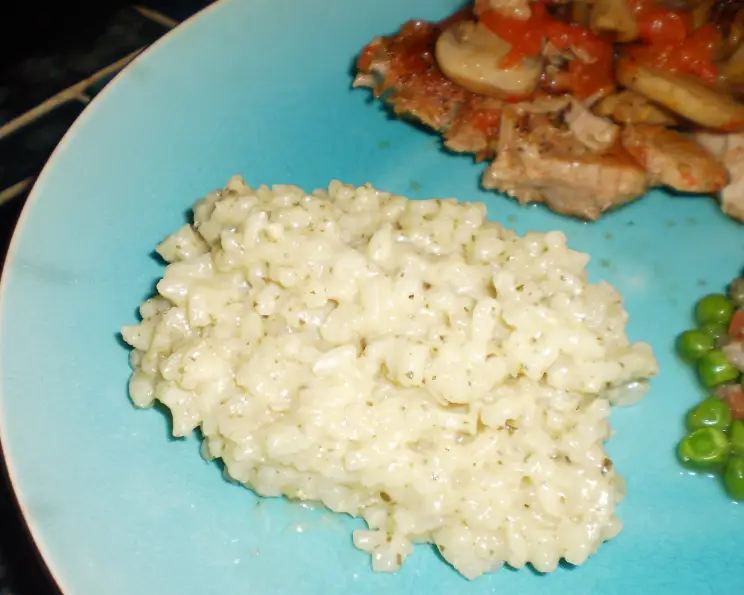
Risotto Perfection: Creamy Pesto and Mascarpone Bliss
There are some dishes that, when you taste them, transport you. For me, risotto is one of those magical transformations of simple ingredients into pure comfort and elegance. I vividly recall a drizzly autumn evening years ago, tucked away in a small trattoria in Florence, when I first experienced a risotto so sublime it became etched in my memory. It wasn’t overly complicated, but the depth of flavor, the creamy texture, and the vibrant aroma spoke of passion and skill. This particular recipe, with its luscious pesto and mascarpone, evokes that same feeling of sophisticated ease, a dish that feels both special enough for company and wonderfully comforting for a quiet night in.
Recipe Overview
- Prep Time: 15 minutes
- Cook Time: 30 minutes
- Total Time: 45 minutes
- Servings: 4 (as a side dish) / 2-3 (as a main meal)
- Yield: Approx. 4-6 cups
- Dietary Type: Vegetarian (ensure pesto is vegetarian)
Ingredients
This recipe celebrates the simplicity of high-quality ingredients coming together to create something truly memorable. The key to its success lies in the careful layering of flavors and textures.
- 2 tablespoons Butter: The foundation for our soffritto, providing richness and helping to toast the rice.
- 3 cloves Garlic, minced: Aromatic and essential, adding a subtle bite.
- 1 ½ cups Arborio Risotto Rice: The star of the show. Arborio rice, with its high starch content, is crucial for achieving that signature creamy risotto texture.
- 4 ¼ cups Chicken Stock: Heated and ready to be ladled in, this is the liquid that will coax the starch from the rice. You can substitute with vegetable stock for a vegetarian version.
- ½ cup Dry White Wine: Adds a layer of acidity and complexity, deglazing the pan and lifting the flavors.
- ½ cup Mascarpone Cheese: This is where the luxurious creaminess truly comes into play. Its mild, milky sweetness complements the other ingredients beautifully. Seek out a good quality brand for the best flavor.
- 4 tablespoons Pesto Sauce: The vibrant, herbaceous heart of this risotto. Use a good quality store-bought pesto, or better yet, a homemade version bursting with fresh basil, garlic, pine nuts, Parmesan, and olive oil.
- Salt and Pepper: To taste, to enhance all the other flavors.
Equipment Needed
A few essential tools will make preparing this risotto a breeze:
- A large, heavy-bottomed non-stick pan or Dutch oven: Crucial for even heat distribution and preventing sticking, especially in the later stages of cooking.
- A medium saucepan: For heating the chicken stock.
- A ladle: For gradually adding the stock to the rice.
- A wooden spoon or heatproof spatula: For stirring the risotto.
Instructions
The magic of risotto lies in patience and a little bit of stirring. It’s a process that rewards your attention with an incredibly satisfying result.
- Melt the Butter: In your large, heavy-bottomed non-stick pan, melt the butter over medium heat.
- Sauté the Garlic: Once the butter is melted and shimmering, add the minced garlic. Cook lightly for about one minute, just until fragrant. Be careful not to brown or burn the garlic, as this can impart a bitter taste.
- Toast the Rice: Add the Arborio rice to the pan. Sauté for a couple of minutes, stirring constantly to ensure each grain is coated in the buttery, garlicky goodness. This toasting step helps the rice release its starch more evenly and prevents it from becoming mushy.
- Deglaze with Wine: Pour in the dry white wine. Let it absorb into the rice, stirring gently. The alcohol will evaporate, leaving behind a delightful acidity and aroma.
- Gradually Add Stock: While the rice is absorbing the wine, heat your chicken stock in a separate medium saucepan. Keep it at a gentle simmer; you can do this at an earlier stage and keep it warm if you prefer. Now, begin adding the chicken stock, one half-cup at a time, to the rice. Stirring occasionally is key here. The goal is to allow the rice to absorb most of the liquid before adding the next ladleful. This slow, steady addition and stirring is what encourages the rice to release its starches, creating that signature creamy texture. Each time, make sure the stock is mostly absorbed before you add more, or it will be a very runny risotto! The non-stick pan is important for this stage, so the rice doesn’t stick when the stock is low.
- Continue Adding Stock: Continue this process of adding stock and stirring for approximately 20-25 minutes, or until the rice is tender but still has a slight al dente bite. You may not need all of the stock, or you might need a touch more, depending on the heat and your rice.
- Check for Doneness: When the stock is all absorbed, taste the risotto. The rice should be creamy and tender to the bite. If it’s still too firm, add another ¼ cup of stock and continue stirring until absorbed and the rice is cooked to your liking.
- Incorporate Mascarpone and Pesto: Once the risotto is perfectly cooked, stir in the mascarpone cheese and pesto sauce. Stir until completely mixed in and the risotto takes on a beautiful creamy, vibrant green hue. The mascarpone will melt into the rice, adding an unparalleled richness.
- Season and Serve: Finally, season with salt and pepper to taste. Stir well. Serve immediately. Risotto is best enjoyed fresh from the pan.
Expert Tips & Tricks
- The Importance of Hot Stock: Keeping your stock hot is crucial. Adding cold stock will shock the rice and slow down the cooking process, hindering the starch release.
- Stirring is Not Just for Creaminess: While stirring encourages starch release, it also prevents the rice from sticking to the bottom of the pan, especially as the liquid gets low.
- Don’t Overcook: The perfect risotto has a slight bite to the grains (al dente). Overcooked risotto will be mushy and lose its appeal.
- Pesto Power: If you’re making your own pesto, remember that fresh basil is key. A good quality olive oil and freshly grated Parmesan will elevate it even further.
- Quality Mascarpone: As mentioned, a good mascarpone makes a difference. It should be smooth, slightly sweet, and rich.
Serving & Storage Suggestions
Risotto is at its absolute finest when served immediately after it’s made. Ladle generous portions into warm shallow bowls. A sprinkle of fresh Parmesan cheese and a few extra basil leaves can add a lovely finishing touch.
If you happen to have leftovers, which is rare in my house, allow the risotto to cool completely before storing it in an airtight container in the refrigerator. It will keep for 1-2 days. Reheating is best done gently on the stovetop with a splash of water or stock to loosen it up. Avoid microwaving, as it can make the rice gummy.
Nutritional Information
Here’s an approximate nutritional breakdown for a serving as a side dish. Please note these are estimates and can vary based on specific ingredient brands and precise measurements.
| Nutrient | Amount per Serving | % Daily Value |
|---|---|---|
| Calories | 260.8 kcal | |
| Calories from Fat | ||
| Total Fat | 9 g | 13% |
| Saturated Fat | 4.5 g | 22% |
| Cholesterol | 22.9 mg | 7% |
| Sodium | 417.2 mg | 17% |
| Total Carbohydrate | 30.6 g | 10% |
| Dietary Fiber | 0.1 g | 0% |
| Sugars | 4.3 g | 17% |
| Protein | 8.3 g | 16% |
Variations & Substitutions
This risotto is a fantastic canvas for creativity.
- Vegetarian Option: Simply swap the chicken stock for a good quality vegetable stock and ensure your pesto is made without Parmesan cheese (many vegetarian pestos are available, or you can make your own with nutritional yeast).
- Lemon Zest: For a brighter, more vibrant flavor, add a teaspoon of finely grated lemon zest along with the mascarpone and pesto.
- Add Protein: This risotto pairs beautifully with grilled chicken breast, pan-seared scallops, or shrimp. Add cooked protein just before serving.
- Vegetable Boost: Sautéed asparagus tips, peas, or artichoke hearts can be stirred in during the last few minutes of cooking for added color and texture.
FAQs
Q: Can I make this risotto ahead of time?
A: Risotto is best served fresh, as it can become gummy when reheated. However, you can prepare the initial stages (toasting rice, adding wine) and then refrigerate it. Reheat gently with additional stock when ready to serve, adding the mascarpone and pesto at the end.
Q: My risotto seems too wet, what did I do wrong?
A: This usually happens if you add the stock too quickly or don’t stir enough. Ensure you’re adding the stock gradually and allowing it to be absorbed before adding more, and stir frequently.
Q: What kind of white wine is best?
A: A dry, crisp white wine like a Sauvignon Blanc, Pinot Grigio, or a dry Vermouth works wonderfully. Avoid sweet wines.
Q: Can I use a different type of rice?
A: For true risotto, Arborio is ideal due to its starch content. Other short-grain rice varieties like Carnaroli or Vialone Nano are also suitable, but avoid long-grain or parboiled rice.
Q: How can I make the pesto more vibrant?
A: If your pesto seems a bit dull, add a tiny pinch of sugar to balance the flavors and a small drizzle of fresh olive oil before stirring it into the risotto.
Final Thoughts
This Risotto with Pesto and Mascarpone is more than just a recipe; it’s an invitation to slow down, enjoy the process, and savor the exquisite flavors that unfold. It’s a dish that speaks of comfort, elegance, and the simple joy of good food shared. I encourage you to try it, to experience that delightful creaminess and the bright burst of pesto. Serve it alongside a perfectly grilled steak or tender chicken, or let it shine as a star on its own. And when you do, take a moment to appreciate the beautiful transformation in your pan. Buon appetito!