
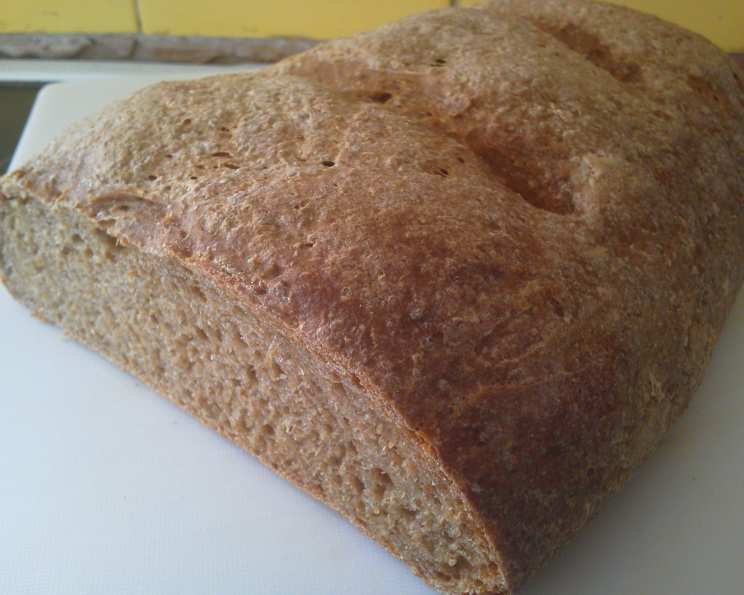
Whole Wheat Okara Bread: A Hearty, Healthy Loaf with a Secret Ingredient
There’s something deeply satisfying about baking bread, a ritual as old as time, connecting us to our ancestors through the simple alchemy of flour, water, and yeast. For me, this connection deepened with the advent of my own soymilk maker. Suddenly, I found myself with an abundance of okara – that wonderfully nutritious pulp left behind – and a culinary puzzle: what to do with it all? It was during this creative exploration that I stumbled upon a gem of a recipe, a whole wheat okara bread that not only solved my okara surplus dilemma but also delivered a loaf that’s remarkably hearty, wholesome, and downright delicious. This bread isn’t just a recipe; it’s a testament to resourcefulness and a celebration of plant-based goodness, proving that even the humblest of byproducts can transform into something extraordinary.
Recipe Overview
- Prep Time: Approximately 25-35 minutes (plus resting/rising times)
- Cook Time: 40-50 minutes
- Total Time: Around 2 hours 40 minutes
- Yields: 1 loaf
- Servings: 16
- Dietary Type: Vegan
Ingredients
This recipe sings with the earthy notes of whole wheat and the subtle, wholesome character of okara.
- 1 cup soymilk
- 1 cup okara (freshly made or thawed from frozen)
- 1 teaspoon salt
- 3 tablespoons grapeseed oil (or another neutral oil like canola or sunflower)
- 1 tablespoon molasses
- 1 (1/4 ounce) packet quick-rising yeast
- 2 ½ cups bread flour
- 1 ½ cups whole wheat flour
Equipment Needed
A few essential tools will make this baking process smooth and enjoyable:
- Medium saucepan
- Whisk
- Measuring cups and spoons
- Large mixing bowl
- Plastic wrap
- Kitchen towel
- Clean work surface for kneading
- An oiled, appropriately sized bread pan (e.g., a 9×5 inch loaf pan)
- Oven
- Wire cooling rack
- Toothpick or cake tester
Instructions
Baking this whole wheat okara bread is a rewarding journey, from the initial mixing to the final, glorious aroma filling your kitchen.
- Begin by preparing your liquid base. In a medium saucepan, combine the soymilk and okara. Heat this mixture over medium heat, stirring occasionally, until it reaches about 125°F (52°C). It should feel very warm to the touch but not scalding.
- Remove the saucepan from the heat. Stir in the salt, grapeseed oil, and molasses, ensuring they are well blended into the warm okara-soymilk mixture.
- Now, it’s time for the yeast. Sprinkle the quick-rising yeast evenly over the surface of the mixture. Stir gently to incorporate. You should notice the yeast begin to foam slightly within a few minutes, indicating it’s active.
- Cover the saucepan and let the mixture sit in a warm, draft-free place for 5-10 minutes. This allows the yeast to proof properly.
- While the yeast is proofing, prepare your dry ingredients. In a separate large mixing bowl, combine the bread flour and the whole wheat flour.
- Once the yeast mixture has proofed, gently stir or fold it into the dry flour mixture in the large bowl. Continue mixing until a sticky dough begins to form.
- Cover the bowl tightly with plastic wrap, then drape a clean kitchen towel over the plastic wrap. Place the covered bowl in a warm, draft-free area to let the dough rise for 30-40 minutes, or until it has doubled in size.
- After the dough has risen, uncover the bowl. Gently punch down the dough while it’s still in the bowl to release the air.
- Turn the dough out onto a lightly floured work surface. Begin to knead the dough for a few minutes. As you knead, you may need to incorporate additional flour, from ¼ cup up to 1 cup, to achieve a firm, elastic dough that is no longer overly sticky. The exact amount of flour needed can vary based on humidity and the moisture content of your okara.
- Once the dough has reached the desired consistency, shape it into an elongated ball. Place the shaped dough into an oiled, appropriately sized bread pan.
- Cover the bread pan with plastic wrap, then drape a kitchen towel over it. Allow the dough to rise for a second time for about 20-30 minutes.
- While the dough is undergoing its second rise, preheat your oven to 325°F (163°C).
- Once the dough has risen for the second time, use a sharp knife or lame to make several slices in the top of the dough. This helps to allow steam to escape during baking, preventing a cracked crust.
- Carefully place the bread pan on the middle shelf of your preheated oven. Bake for 40-50 minutes.
- To check for doneness, insert a toothpick or cake tester into the center of the loaf. If it comes out clean, the bread is ready. Alternatively, the loaf should sound hollow when you tap on the bottom.
- Remove the bread from the oven and immediately transfer it to a wire cooling rack. Let it cool in the pan for about 15 minutes.
- After 15 minutes, carefully remove the bread from the pan and place it directly on the wire rack to finish cooling. Enjoy your fresh, homemade whole wheat okara bread as soon as it’s cool enough to slice!
Expert Tips & Tricks
- Okara Moisture: The moisture content of okara can vary greatly depending on how it’s processed. If your okara is very wet, you might need to add a bit more flour during the kneading stage. Conversely, if it seems dry, you might need slightly less. The key is to aim for a firm, elastic dough that pulls away from your hands and the work surface.
- Proofing Environment: Finding a truly “warm, draft-free” spot can be tricky. Some bakers find success by placing the dough bowl in a turned-off oven with just the oven light on, or near a warm appliance. Avoid excessive heat, as this can kill the yeast.
- Kneading for Structure: Don’t be shy with the kneading! It develops the gluten in the flour, which gives bread its structure and chew. Aim for a smooth, elastic dough that springs back when you gently press it with a finger.
- Second Rise for Volume: The second rise is crucial for a light and airy loaf. Ensure the environment is warm enough to encourage this final puff.
Serving & Storage Suggestions
This hearty whole wheat okara bread is wonderfully versatile. It’s fantastic toasted for breakfast, served alongside soups and stews, or used for hearty sandwiches.
- Serving: Allow the bread to cool completely before slicing for the cleanest cuts. Serve it as is, or with your favorite butter, jam, avocado, or as part of a cheese board.
- Storage: Once completely cooled, store the bread in an airtight container or bread bag at room temperature for up to 3 days. For longer storage, wrap it tightly in plastic wrap and then aluminum foil and freeze for up to 3 months. To reheat frozen bread, thaw it at room temperature, or toast individual slices directly from frozen.
Nutritional Information
Here’s an approximate nutritional breakdown per serving (assuming 16 servings):
| Nutrient | Amount per Serving | % Daily Value |
|---|---|---|
| Calories | 145 kcal | 7% |
| Total Fat | 3.3 g | 4% |
| Saturated Fat | 0.4 g | 2% |
| Cholesterol | 0 mg | 0% |
| Sodium | 154.4 mg | 7% |
| Total Carbohydrate | 25.1 g | 9% |
| Dietary Fiber | 1.9 g | 7% |
| Sugars | 1.4 g | 2% |
| Protein | 4.2 g | 8% |
Note: Nutritional values are estimates and can vary based on specific ingredients and preparation methods.
Variations & Substitutions
While this recipe is wonderful as is, feel free to experiment:
- Sweetness: If you prefer a slightly sweeter loaf, you can increase the molasses to 1.5 tablespoons, or add 1-2 tablespoons of maple syrup to the liquid mixture.
- Seeds & Grains: For added texture and flavor, stir in about ½ cup of mixed seeds (like sunflower, pumpkin, or flax seeds) or rolled oats into the dough during the kneading stage.
- Spice it Up: A pinch of cinnamon or a teaspoon of ground cardamom can add a lovely warmth to the bread.
- Liquid Base: While soymilk is excellent, you could experiment with other unsweetened plant-based milks like almond or oat milk.
FAQs
Q: What is okara, and where can I get it?
A: Okara is the pulp left over after making soy milk or tofu. If you have a soymilk maker, you’ll have it readily available! Otherwise, you can sometimes find it at Asian markets or health food stores.
Q: Can I use all whole wheat flour?
A: While this recipe uses a blend, you could technically use all whole wheat flour. However, the bread might be denser, as bread flour contributes to a lighter texture.
Q: My dough didn’t double in size. What could be wrong?
A: This usually means the yeast wasn’t active enough or the proofing environment wasn’t warm enough. Ensure your yeast is fresh and try a warmer spot for rising.
Q: Why is it important to slice the top of the dough?
A: Slicing allows steam to escape during baking, which prevents the crust from cracking unevenly and promotes an even rise.
Q: How do I know if the bread is baked through if I don’t have a toothpick?
A: The most reliable sign is the sound. When you tap the bottom of the loaf, it should sound hollow. The crust should also be a deep golden brown.
Final Thoughts
This whole wheat okara bread is more than just a recipe; it’s an invitation to embrace resourcefulness in the kitchen and discover the incredible potential of ingredients often overlooked. It’s a testament to the fact that healthy and delicious can go hand in hand, and that home-baked bread, especially one made with such care, is a true labor of love. Give it a try, and I’m confident you’ll find yourself reaching for this recipe again and again. It pairs beautifully with a warming mug of herbal tea or a robust cup of coffee, making any moment feel a little more special. I’d love to hear about your baking adventures with this unique loaf!